
Engineering the Mala: How to Toast Sichuan Peppercorns for Authentic Mapo Tofu
Stop relying on pre-ground powders and learn how to properly toast and bloom Sichuan peppercorns to create the vibrating, numbing sensation that defines restaurant-quality Mapo Tofu.

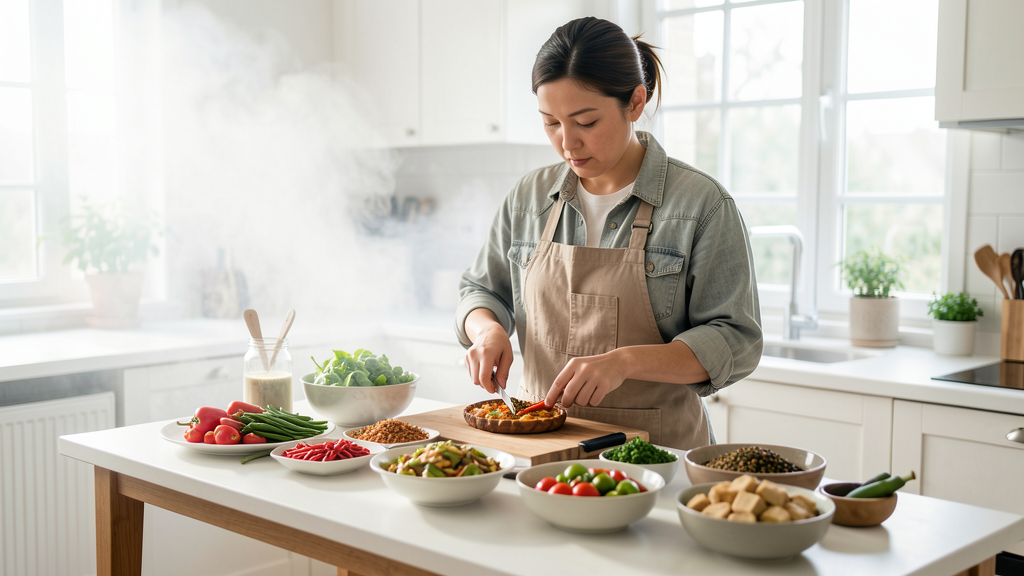
There is a specific frequency of vibration that hits your lips when you sit down at a proper Sichuan restaurant. It is not just heat; it is a static electric hum, a paresthesia that numbs the tongue and wakes up the palate. This is the mala sensation. Too often, when we try to recreate Mapo Tofu at home, we end up with a spicy, salty tofu stew that tastes good but lacks that distinct, mouth-watering tingle. You buy the jar of Pixian bean paste and the packet of peppercorns, but the result remains stubbornly one-dimensional.
The issue usually lies in how the peppercorns are handled. Most home cooks dump ground pepper into the broth, where it gets lost in the liquid. To achieve that electric hum, you have to treat the peppercorns as a fat-soluble aromatic, not a water-soluble spice. The numbing agent, hydroxy-alpha-sanshool, needs to be extracted into oil and layered with the fermented broad bean paste to create a permanent coating on the tofu and meat.
Here is the precise process I use in my kitchen to guarantee that numbing effect takes center stage.
The Chemistry of Numbing in a Fatty Medium
Before you turn on the stove, you need to understand why your previous attempts might have failed. Mapo Tofu is a dish defined by its slickness. It is traditionally heavy on oil, and that oil is the vehicle for flavor. The numbing sensation is hydrophobic, meaning it does not dissolve well in water or broth. If you add your Sichuan peppercorns directly to the stock, they will float impotently, releasing a faint floral scent but little actual ma.
To force the numbing agent out, you must combine it with fat. When you toast the peppercorns and bloom them in hot oil alongside the chili bean paste, the lipid molecules encapsulate the aromatic compounds. This ensures that when the tofu hits your tongue, the oil coats your mouth, delivering the vibration directly to the nerve endings. We are not just seasoning the sauce; we are engineering a topical anesthetic delivered via pork fat and chili oil.
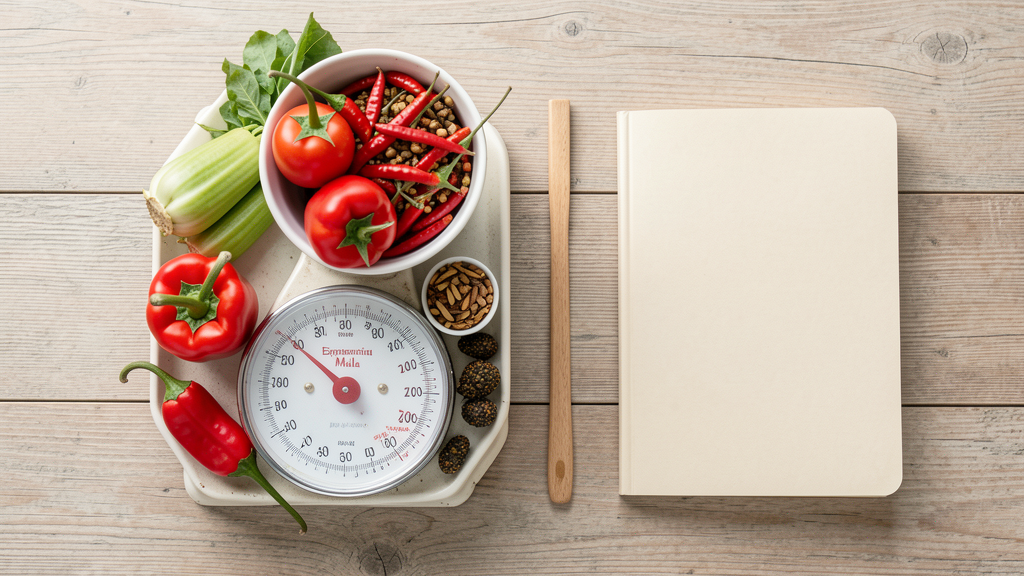
Step 1: Sourcing and Sorting the Corns
You cannot use the pre-ground red pepper flakes found in the spice aisle of a standard grocery store. You need whole Zanthoxylum peppercorns. For 2026, I prefer the "Da Hong Pao" variety if you can find it; it has a more robust, enduring numbing effect compared to the lighter, more floral green varieties which are better for stir-fries than heavy braises.
Once you have your whole peppercorns, pour them onto a white plate. This is a non-negotiable step for quality control. Scan the pile and pick out any black seeds or tiny twigs. The black seeds are hard, tasteless, and add a gritty, sand-like texture to the final dish that ruins the silkiness of the tofu. Keep only the reddish-brown husks. You want about 2 tablespoons of cleaned husks for a standard serving of four.
Step 2: The Dry Toasting Ritual
We need to wake up the essential oils inside the husks. Place a dry wok or cast-iron skillet over medium-low heat. Do not add oil yet. Toss in the cleaned peppercorns.
Stir them constantly. You will smell nothing for the first minute. Then, a faint pine scent will emerge. Keep stirring. You are waiting for the moment the scent shifts from pine to an intense, citrusy, slightly sharp aroma. This usually takes about 3 to 4 minutes. If you see the slightest wisp of smoke, take the pan off the heat immediately. Burnt peppercorns taste medicinal and bitter, killing the dish's potential.
Pour the toasted peppercorns into a mortar and pestle. While they are still warm, give them a rough crush. Do not pulverize them into a fine powder. You want a coarse grind where you can still see the texture of the husks. A coarse grind provides intermittent bursts of numbing as you chew, whereas a powder disappears instantly into the sauce.
Step 3: Blooming with the Doubanjiang
Now we introduce the fat. In your wok, heat 3 tablespoons of vegetable or neutral oil until it is shimmering, but not smoking. Add your minced meat (pork or beef, traditionally fatty) and cook until it browns and renders its fat. Push the meat to the side and add 2 tablespoons of Pixian doubanjiang (broad bean chili paste) to the center of the wok.
This paste acts as the flavor base, similar to how Harissa vs. Gochujang: Which Fermented Paste Belongs in Your Marinade? functions in other cuisines, but with a distinctively salty, fermented soy depth. Fry the paste in the oil for about 45 seconds. You want the red oil to separate from the solids, turning the oil a brilliant vermilion.
At this critical juncture, dump your crushed, toasted peppercorns directly into the hot oil and paste mixture. Fry them for another 30 seconds. The heat of the oil will extract the remaining hydroxy-alpha-sanshool and fuse it with the chili oil. The kitchen should smell pungent, spicy, and citrusy all at once.
I discussed the importance of dry-frying spices in another context regarding The 'Authentic' Oil Myth: Why Dry-Frying Chilies is Essential for Curry Pastes, and the principle holds true here. That brief moment of high heat without liquid creates a flavor complexity that simmering alone cannot achieve.
Step 4: Deglazing and Simmering
With your oil now infused with both the chili paste and the crushed peppercorns, pour in about a cup of hot stock or water. This will deglaze the pan, lifting the fond (the browned bits of meat and spices) from the bottom. As the liquid hits the hot oil, it will emulsify slightly, creating a reddish, glossy sauce.
Add your tofu—preferably soft silken tofu that has been cubed and blanched in salt water to firm it up slightly. Gently fold the tofu into the sauce, being careful not to break the cubes. Simmer this gently for 3 to 4 minutes. Do not boil vigorously, or the numbing effect will dissipate with the steam. You want a gentle bubble that allows the oil to coat the tofu without evaporating the precious aromatic oils we just created.
Step 5: The Final Aromatic Finish
Taste the sauce. It should be salty from the bean paste and spicy from the chilies. If it needs it, add a pinch of sugar to round out the fermentation funk. Just before serving, finish with a drizzle of high-quality sesame oil and a sprinkling of finely chopped scallions.
There is a debate among chefs about adding a second dose of ground pepper at the very end. I recommend it. Take a tiny pinch of fresh, untoasted Sichuan pepper powder and sprinkle it over the plated dish. This provides a "top note" of fragrance that hits the nose before the spoon even touches the lips, while the toasted, oil-bloomed peppers in the sauce provide the lingering, deep numbing sensation on the tongue.
The Texture of Time
When you finally eat this, the sensation should be progressive. First comes the heat of the chili and the savory depth of the fermented bean. Then, as the oil coats your mouth, the numbing begins. It starts at the tip of the tongue and travels to the cheeks. By your third bite, your lips should feel pleasantly swollen and vibrating.
Achieving this at home requires respect for the ingredient. You cannot rush the toasting, and you cannot skip the blooming step in the oil. This method transforms Mapo Tofu from a simple weeknight supper into an authentic sensory experience, proving that the difference between a spicy dinner and a mala masterpiece is simply a matter of heat, fat, and timing.
Read next
The 'Authentic' Oil Myth: Why Dry-Frying Chilies is Essential for Curry Pastes
Stop drowning your aromatics in oil before they touch heat. Dry-frying chilies unlocks volatile oils that vegetable fat simply cannot extract, creating that restaurant-grade complexity.
By Camila Rocha · 8 min read
Harissa vs. Gochujang: Which Fermented Paste Belongs in Your Marinade?
Choosing between North African heat and Korean funk for your summer grill depends entirely on the fat content of your meat and your desired crust texture.
By Camila Rocha · 6 min read