
Harissa vs. Gochujang: Which Fermented Paste Belongs in Your Marinade?
Choosing between North African heat and Korean funk for your summer grill depends entirely on the fat content of your meat and your desired crust texture.

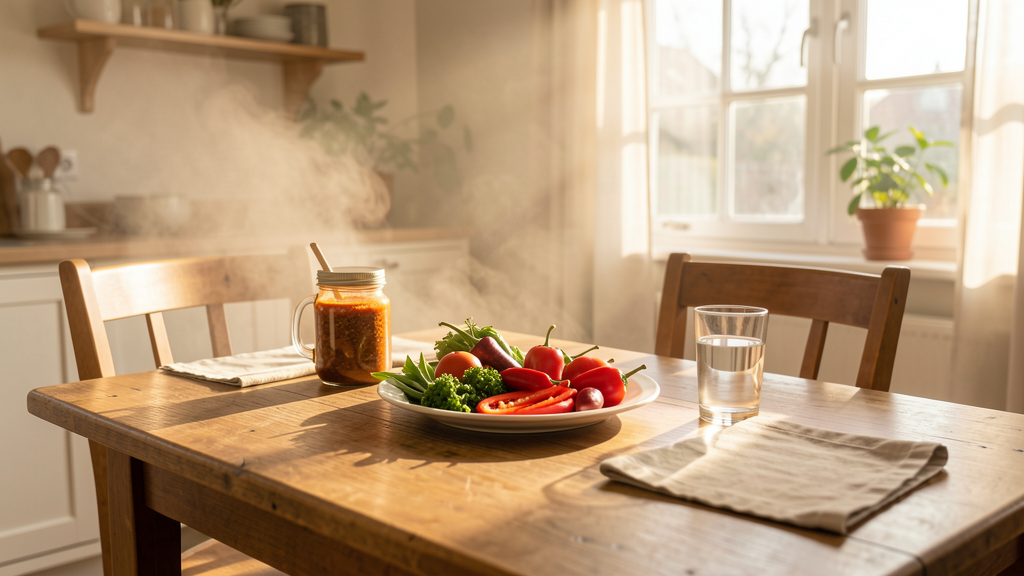
It is a recurring dilemma in my kitchen, and likely in yours too: you stand in front of the open refrigerator in June 2026, staring at two distinct red jars. On the left, a tube of rose harissa; on the right, a tub of gochujang. Both are fermented, both pack a punch, and both claim dominion over your grilled chicken. But they are not interchangeable.
Throwing them into a marinade blindly is a mistake I see too often. The chemical composition of the pepper, the vehicle of fermentation, and the aromatic backing notes fundamentally change how a piece of meat interacts with fire. You cannot simply swap one for the other and expect the same result. The choice hinges on the specific fat content of your protein and how you intend for the sugars to behave over the coals.
To settle this, we need to look past the mere Scoville units and examine the structural role of the spices.
The Fat-Dissolving Nature of North African Heat
Harissa is not just a chili paste; it is an oil-based delivery system for dry, aromatic spices. The traditional Tunisian profile relies heavily on caraway and coriander seeds, roasted cumin, and sometimes garlic. The chilies used—typically Baklouti or serrano—are dried and rehydrated before being pounded into a paste.
The critical distinction for marinades lies in the spice blend. Caraway and coriander possess essential oils that are lipophilic, meaning they bond eagerly with animal fats. When you marinate a chicken thigh in harissa, these volatile compounds penetrate the capillaries of the meat. As the fat renders over the grill, it carries these earthy, citrusy notes to the surface, creating a flavor profile that feels "dry" and intense rather than sticky.
This paste excels when you need to cut through richness. If you are grilling skin-on chicken thighs or lamb chops, harissa acts as a counterbalance. The fermentation here is lactic, providing a subtle tang, but the texture is loose and oily. It creates a crust that relies on the spices toasting on the meat's surface rather than a sugar-hardened shell.
Why Rice Changes the Game
Cross the continent to Korea, and the mechanics shift entirely. Gochujang is a jang—a paste fermented with soybeans and glutinous rice powder. The inclusion of rice is the deciding factor for your marinade. It breaks down during fermentation into simple sugars, creating a thick, sticky consistency and a distinct sweetness that you do not find in North African harissa.
When you slather meat in gochujang, you are essentially glazing it with a sugar-based adhesive. This changes the thermodynamics of your grill. The sugars caramelize rapidly (the Maillard reaction), which is fantastic for creating a sticky, lacquered exterior, but it introduces a high risk of burning.
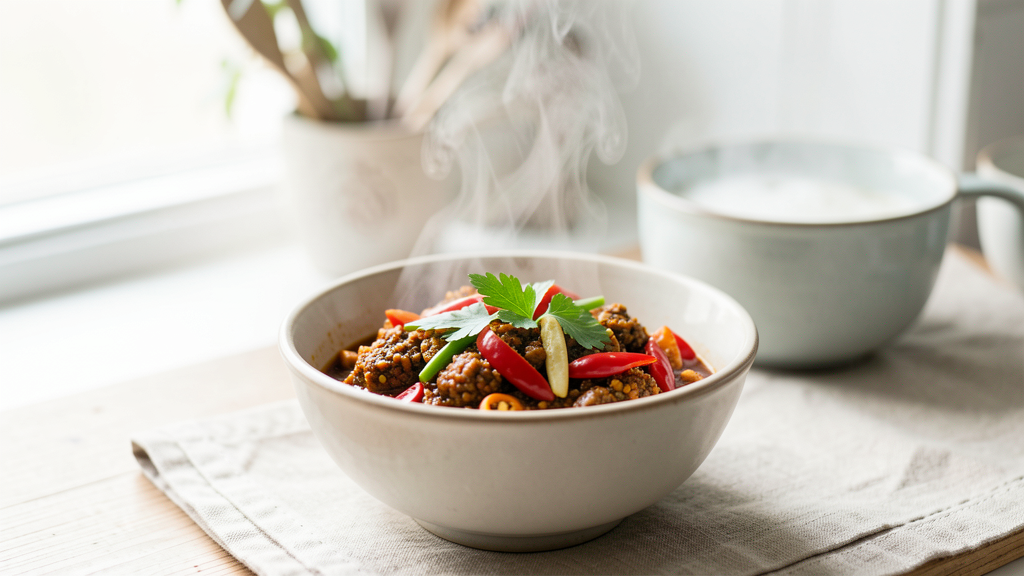
In my weeknight meatloaf recipe, I leverage this sweetness to replace the acidity of tomatoes. But on the grill, that same sweetness requires vigilance. The "funk" from the fermented soybeans adds a deep, savory umami that rounds out the sweetness, making it incredibly palatable for those who shy away from pure heat. However, because it is water-retentive, gochujang steams the meat slightly before the grilling truly begins, keeping the interior moist while the exterior hardens.
Are You Grilling Thighs or Breasts?
The structure of the meat must dictate your paste. This is where the 'why' of the pepper choice becomes non-negotiable.
Chicken breasts are lean. They lack the intramuscular fat to protect them from high heat or to carry heavy aromatic oils. If you use a heavy, oily harissa on a breast, the spices can overpower the delicate meat before it has a chance to cook through. Conversely, if you use gochujang on a breast, the high sugar content will burn and blacken before the internal temperature reaches a safe 165°F, leaving you with a charred outside and a dry, rubbery inside.
For skin-on, bone-in thighs, the calculus flips. The fat under the skin needs time to render. Harissa’s dry spice rub helps crisp the skin by drawing out moisture, while the oil prevents it from sticking. The caraway notes cut through the rendered fat, creating a sophisticated bite.
However, if you want that tacky, finger-licking texture typical of Korean barbecue, thighs are the only vessel robust enough to handle gochujang's intense sugar content. The skin acts as a shield, protecting the meat from the direct heat of the caramelizing sugars.
The Sugar Trap: Direct vs. Indirect Heat
You must make your decision based on your heat source as well as your ingredient.
If you are cooking over direct, high heat—say, direct contact with charcoal or a ripping hot gas burner—harissa is the safer and superior bet. The low sugar content means it won't turn into a bitter carbon mess. It allows the char of the grill to shine, complemented by the smokiness of the cumin and coriander.
Gochujang demands respect. It requires indirect heat or a two-zone grilling setup. You need the meat to cook through gently away from the flames, only moving it to direct heat in the very last seconds to set the glaze. I have ruined too many wings by rushing this process. The high viscosity creates a barrier that prevents the smoke from penetrating deeply, so you get a sweet shell rather than a smoky infusion. If you insist on high heat, you must dilute the gochujang with a neutral oil or vinegar to lower the sugar concentration, though this dilutes its defining character.
Other chili pastes might offer instant heat, but few offer the textural interplay of gochujang or the aromatic depth of harissa.
Final Call for the Chicken Marinade
So, which jar gets opened?
If you are after a crisp, spice-forward skin where the heat lingers and the earthiness of the toasted seeds pairs with a cold beer or a crisp white wine, grab the Harissa. It is the choice for the purist who wants the taste of the fire and the bird to dominate. Use it on thighs, legs, or any cut with a protective fat layer.
If you are feeding a crowd that craves a sticky, sweet-and-savory glaze that clings to the ribs—literally—and you have the patience to manage your grill zones to prevent scorching, gochujang is the winner. It transforms the chicken into a rich, umami-bomb that feels like a meal in itself.
For my 2026 summer grilling, I am siding with Harissa.
While I love the addictive quality of gochujang, the complexity of the caraway and coriander seed profile in harissa offers a versatility that gochujang cannot match once the weather turns truly warm. Harissa performs consistently across different heat sources, whereas gochujang is a diva that demands constant attention. The way the harissa oil fuses with rendered chicken fat creates a succulence that a rice-based paste simply cannot emulate. Furthermore, the "why" here is clear: the lipophilic nature of harissa's spices ensures the flavor is in the meat, not just on it. That is the hallmark of a superior marinade.
Read next
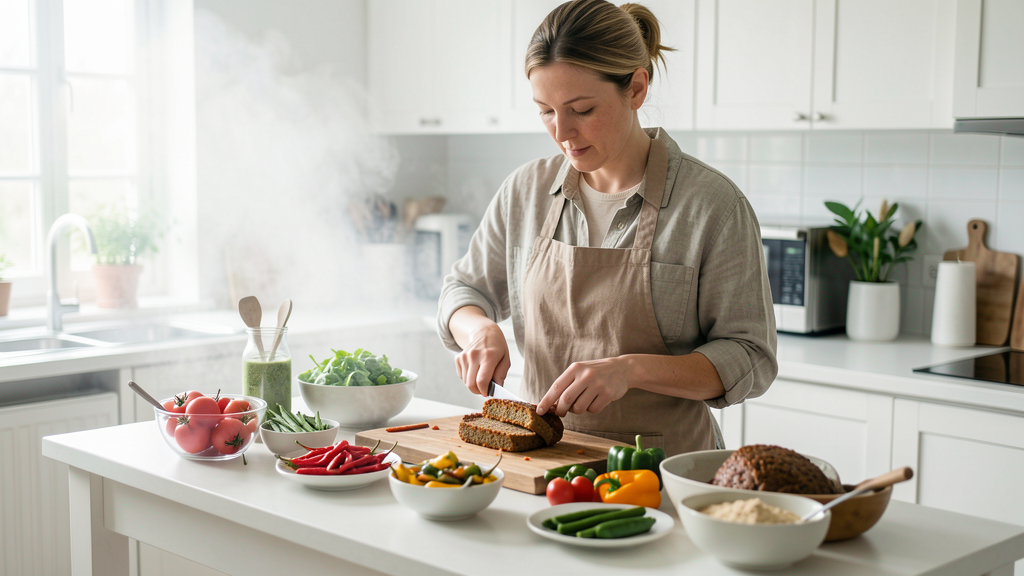
Replacing Tomato Paste with Gochujang in My Weeknight Meatloaf
A narrative experiment on swapping the standard tomato binder for fermented Korean chili paste to achieve a meatloaf with deep umami and a cohesive, spicy crumb."
By Camila Rocha · 8 min read
5 Curry Pastes That Work Better Than Powder for Instant Heat
Ditch the dusty jar for these 5 wet curry pastes that bond instantly with coconut milk fats for immediate, complex heat.
By Camila Rocha · 6 min read