cooking with chili peppers and everyday spicy meals editorial hub
Clear, usable coverage of cooking with chili peppers and everyday spicy meals.
Guides, comparisons, and short explainers on cooking with chili peppers and everyday spicy meals — written for readers who want to understand and decide, without filler.
Choosing between North African heat and Korean funk for your summer grill depends entirely on the fat content of your meat and your desired crust texture.
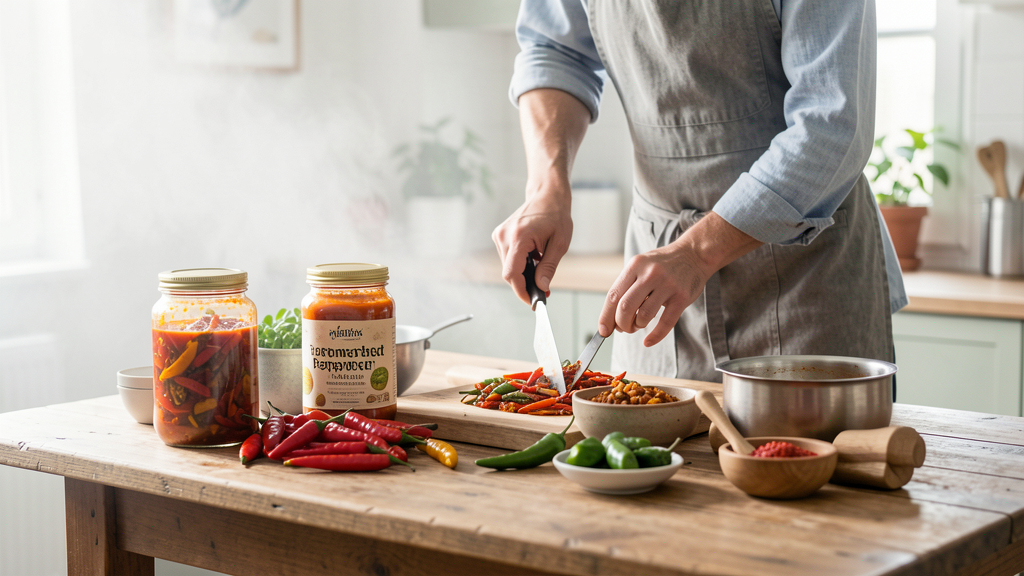
A narrative experiment on swapping the standard tomato binder for fermented Korean chili paste to achieve a meatloaf with deep umami and a cohesive, spicy crumb."
Stop relying on pre-ground powders and learn how to properly toast and bloom Sichuan peppercorns to create the vibrating, numbing sensation that defines restaurant-quality Mapo Tofu.
Discover the chemical reason why rendering bacon or sausage in your stew distributes capsaicin more efficiently, turning a mild simmer into a mouth-coating heat experience.
We dissect the chemical interaction between smoked sausage proteins and sweet corn starch to determine which spicy sausage truly earns its place in your pot.
Transform your fresh pepper harvest into shelf-stable spices using your oven, air fryer, or simply the air in your kitchen, with zero specialized equipment required.
Understanding the structural breakdown of pepper cell walls is key to deciding whether roasting before freezing compromises the texture of your future salsas.
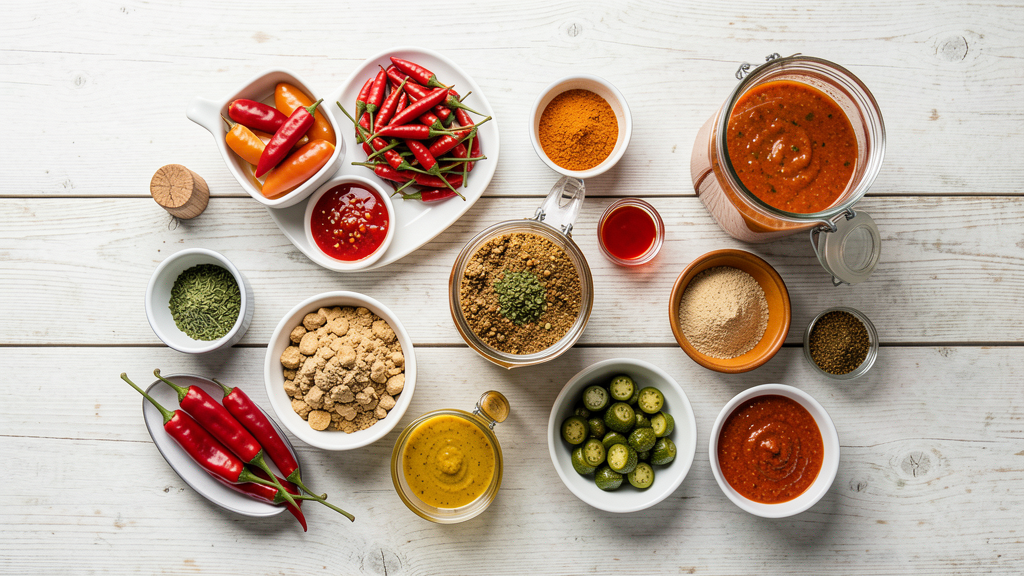
Stop suffering from vinegar burn; these seven specific fruits act as chemical bridges to tame harsh acidity and highlight the floral notes of habanero peppers.
Swapping distilled white vinegar for lime or apple cider vinegar changes more than just flavor—it fundamentally alters the safety margin and shelf life of your hot sauce.
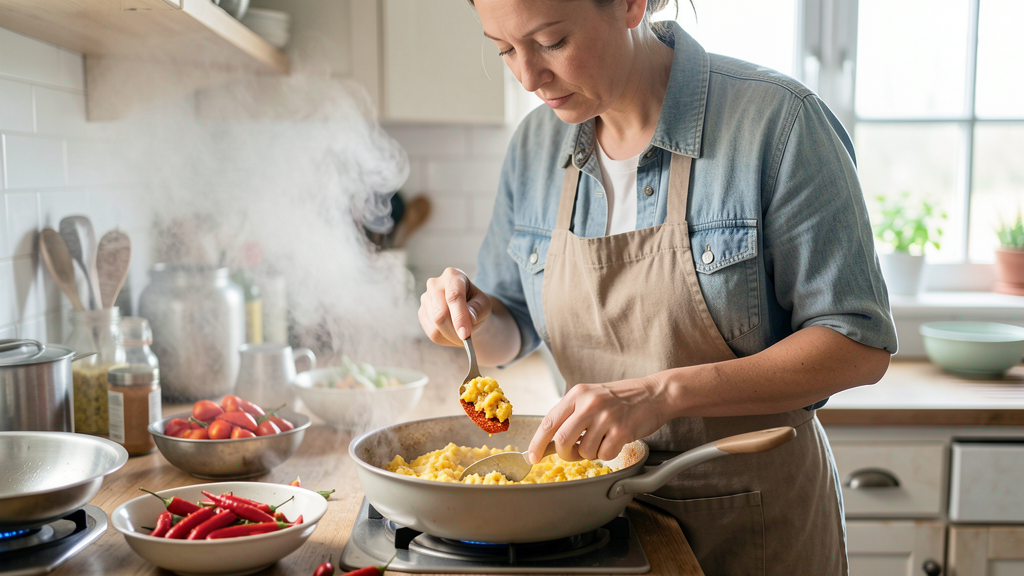
Eliminate spicy landmines in your breakfast by understanding the physics of capsaicin dispersion and choosing the right form of heat for a consistent scramble.
A gentle-heat method to extract complex chili flavors in minutes, transforming a bland weeknight roast into a restaurant-grade dish without the wait of cold infusion.
Substituting Mexican serranos for Thai bird's eye chilies is feasible for heat, but the swap alters the dish's aromatic balance by introducing a grassy, vegetal flavor that clashes with authentic herbs.
Understand the biological ripening of Capsicum annuum to master the flavor shift from grassy green jalapeños to sweet red ones and optimize your spicy cooking.
Discover five specific thick-fleshed pepper varieties that deliver substantial texture and culinary volume to your dishes without scorching your palate.

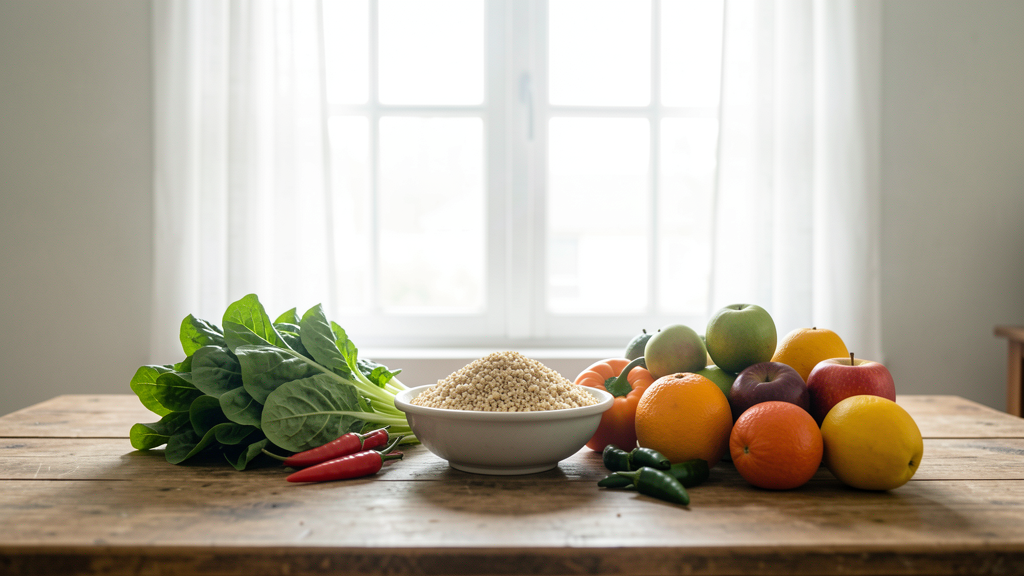 The 'Authentic' Oil Myth: Why Dry-Frying Chilies is Essential for Curry PastesStop drowning your aromatics in oil before they touch heat. Dry-frying chilies unlocks volatile oils that vegetable fat simply cannot extract, creating that restaurant-grade complexity.