
Andouille vs. Chorizo: Which Spice Profile Fits a Corn Chowder Better
We dissect the chemical interaction between smoked sausage proteins and sweet corn starch to determine which spicy sausage truly earns its place in your pot.


The debate usually starts in the meat aisle of the grocery store, standing before the cooler case in mid-October. You want a rich, creamy corn chowder, but a simple broth feels too light for the cooling weather. You need a smoked sausage that carries weight, fat, and a punch of heat that can stand up to the sugar content of fresh corn. The two contenders that consistently duke it out for this role are Cajun Andouille and Spanish Chorizo. While both bring smoke and heat to the table, they interact with the dairy and vegetable base in fundamentally different ways. Choosing the wrong one can result in a soup that fights itself rather than harmonizing.
Most home cooks assume "spicy sausage" is a universal ingredient, interchangeable in any stew or soup. This is a mistake, especially when dealing with the delicate emulsion of a chowder. The specific pH balance of the meat, the origin of the chili peppers used in the cure, and the grain of the sausage all dictate the final texture of your dinner. We are looking for a protein that complements the kernel's pop, not one that masks it.
The Cajun Heavyweight: Andouille’s Smoke
Andouille is fundamentally a double-smoked sausage. It goes through the smoking house twice, which gives it a dense, chewy texture and a flavor profile that leans heavily on hickory or pecan wood. From a culinary perspective, the heat in Andouille comes primarily from the cayenne pepper. Cayenne (Capsicum annuum) has a specific history that traces back to French Guiana, taking its name from the Tupi word kyinha. It became the backbone of Louisiana cooking because it provides a sharp, immediate heat that clears the sinuses without adding a complex fruity flavor that might clash with savory dishes.
When we talk about sourcing authentic heat for a recipe requiring Andouille, we look for that specific cayenne bite. However, true cayenne can be difficult to source in its whole, fresh form outside of specialty markets in 2026. If you cannot source fresh cayenne or a properly cured Andouille that lists it as the primary spice, you have two solid locally available substitutes that will mimic that profile: dried Chile de Árbol or Tien Tsin peppers. Chile de Árbol offers a similar grassy sharpness and heat level (15,000–30,000 SHU), while Tien Tsin brings a slightly brighter, clean heat that works well in a smoked context.
In a corn chowder, Andouille acts as a structural element. Because it is double-smoked, it releases that savory flavor slowly over a simmer. The smoke binds with the starches released from the potatoes and corn, creating a broth that feels "meaty" even before you add cream. The spice here is background noise—a steady hum rather than a shout.
The Acidic Intervention of Chorizo
Spanish Chorizo operates on a completely different chemical axis. It is not just smoked; it is cured with vinegar and garlic. This acidity is the dealbreaker for many chowder recipes. The distinct red color and deep flavor come from Pimentón de la Vera, a smoked paprika made from Nora peppers that are dried over oak wood fires. The history of Pimentón is anchored in the Monastery of Guadalupe in Cáceres, Spain, where the Yuste monks perfected the smoking techniques in the 16th century. This spice brings a sweet, earthy smoke that is less aggressive than American hickory but far more complex.
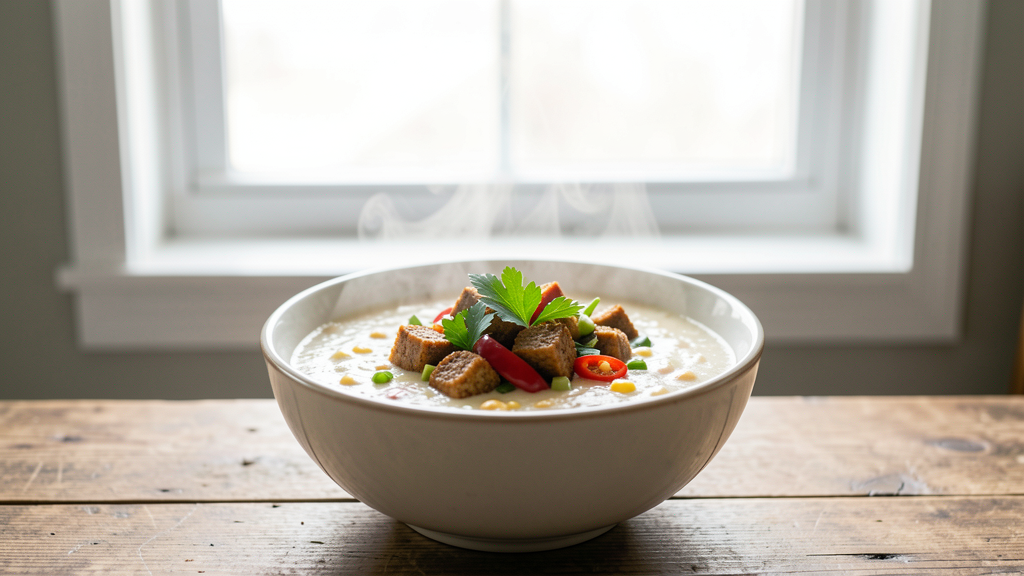
Using Pimentón de la Vera is the gold standard here. If you cannot access the authentic Denominación de Origen Pimentón de la Vera for your seasoning blend, you must look for substitutes that offer that smoky depth. Two excellent options are Chipotle Morita powder (which adds that smoke but with a different fruitiness) or Ancho chile powder mixed with a pinch of liquid smoke. Ancho provides the body and color, while the liquid smoke replicates the oak aging process.
The problem with introducing Chorizo into a corn chowder is the vinegar. Vinegar attacks the structure of dairy proteins. When you simmer heavy cream or milk with a highly acidic sausage, you risk the dairy "breaking," turning your velvety chowder into a grainy, oily mess. The flavor is undeniably delicious—that sharp garlic-vinegar punch cuts right through the sweetness of the corn—but the texture requires careful management. You often have to cook the chorizo separately, drain the fat, and blot it to reduce the acidity before adding it to the pot, which also removes a lot of the rendered fat that carries the flavor.
Fat as a Flavor Vehicle
We cannot ignore the role of fat in this equation. A chowder is, by definition, a rich dish. We often discuss how fatty meats amplify the perception of spiciness in stews, and this is critical when choosing your sausage.
Andouille typically has a tighter grain and a slightly lower fat content than heavily marbled chorizo, though this varies by brand. The fat in Andouille is flavored by the long smoking process; it renders out as a smoky liquid that coats the corn kernels. Chorizo, on the other hand, is often cured with a higher percentage of fat to preserve the meat. That fat is infused with the paprika and garlic. When you bite into a piece of chorizo in a soup, you get a burst of flavored oil that explodes in the mouth.
If you are aiming for maximum spice perception, Chorizo is the scientifically superior choice. Capsaicin is lipid-soluble, meaning it binds to fat. The higher fat content in chorizo, combined with the capsacin in the paprika, creates a more efficient delivery system for heat to your palate. However, that same richness can overwhelm the delicate sweetness of the corn if you aren't careful with ratios.
The Texture Verdict
There is a structural argument to be made for the "bite" of the sausage. Andouille maintains its integrity. It has a snap to the casing and a dense interior that doesn't disintegrate after 45 minutes of simmering with potatoes. You get distinct chunks of meat in every spoonful. This texture is comforting. It aligns with what we expect from spicy-comfort-food.
Chorizo, depending on whether you buy a curing sausage or a cooking variety, can soften significantly. It tends to crumble and melt into the broth, dying the soup a vibrant orange-red. This creates a "sausage broth" rather than a chowder with sausage pieces. While delicious, it changes the identity of the dish. You move away from "Chowder" and towards a spicy potato-corn soup. If you want distinct visual texture and a chunky mouthfeel, Andouille is the only option that holds its shape.
The Final Recommendation
After testing both sausages in controlled batches this spring, my verdict is definitive for a standard corn chowder: Andouille is the superior choice.
The reasoning comes down to the harmony of smoke and sweet. Corn is naturally sugary; potatoes are earthy; cream is fatty. Andouille adds the missing element—fire and wood smoke—without introducing an acidic variable that destabilizes the dairy. The cayenne heat in Andouille provides a "back-throat" warmth that lingers, encouraging you to take another bite, whereas the vinegar in Chorizo fights the creaminess of the soup.
If you are dead set on the Chorizo flavor profile, treat it as a garnish rather than a base ingredient. Fry the slices until crispy and use them to top the bowl, rather than simmering them into the dairy base. This preserves the texture of the sausage and prevents the broth from breaking.
However, if you follow my advice, you will reach for the Andouille. Cube it, sear it hard in the bottom of your dutch oven to render the fat, and build your roux in that rendered pork fat. If you really want to push the flavor profile forward, consider building a 3-cheese roux with ghost pepper powder to thicken this soup. The ghost pepper's fruity heat pairs exceptionally well with the smoky undertones of the Andouille and the sweet corn, creating a multidimensional spice experience that a simple chorizo cannot match.
The goal of a great chowder is consistency. Every spoon should taste identical to the last, a unified marriage of ingredients. Andouille integrates; Chorizo dominates. For a pot of corn chowder in 2026, integration wins.
Read next
Dairy vs. Coconut Milk: The Chemistry of Cooling Down a Fiery Chili
We break down the science of casein and coconut fats to determine the ultimate emergency fix for an overspiced pot of chili.
By Lucas Oliveira · 7 min read
Building a 3-Cheese Roux with Ghost Pepper Powder
Eliminate clumpy spice in your mac and cheese by learning the precise method of blooming ghost pepper powder directly into the roux’s fat phase.
By Lucas Oliveira · 8 min read