
The Lipid Carrier: Why Fatty Meats Make Stews Feel Hotter
Discover the chemical reason why rendering bacon or sausage in your stew distributes capsaicin more efficiently, turning a mild simmer into a mouth-coating heat experience.

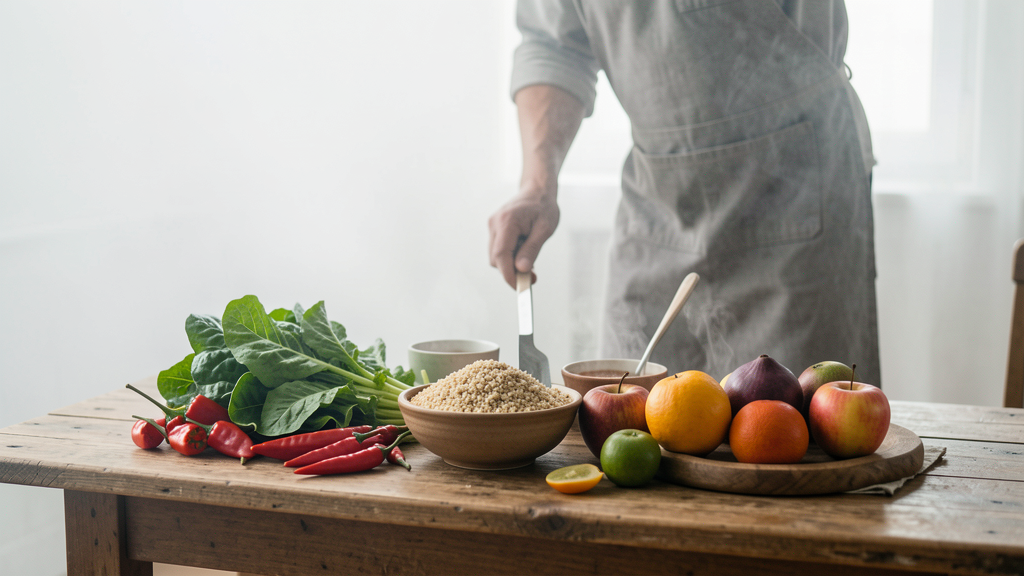
It happens to the best of us, usually on a Tuesday night. You prepare a beef chili using the exact same measurements you always do—two tablespoons of ancho powder, a single chopped jalapeño, maybe a dash of cayenne. The flavor profile is familiar, predictable, safe. Then, you decide to get fancy. You swap the lean ground beef for a smoked pork shoulder or you add three strips of thick-cut bacon to the base. Suddenly, a dish that was meant to be a gentle family dinner sends everyone reaching for milk. You didn't add extra chiles, yet the spice level feels like it doubled. The culprit isn't the pepper variety; it is the chemistry of the vehicle delivering that heat.
The Lipid Connection: Why Capsaicin Loves Fat
To understand why your stew kicked up a notch, we have to look at the molecular structure of capsaicin, the compound responsible for the burning sensation in chili peppers. Capsaicin is a hydrophobic, lipophilic molecule. In plain English, it hates water and loves fat. It is an alkaloid oil, structurally similar to the oils found in cannabis or turpentine.
When you cook chiles in a water-based environment, like a vegetable broth or a lean stew, the capsaicin tends to stay somewhat localized within the plant tissue or disperse unevenly. Water molecules repel it. However, introduce fat—lard, tallow, dripping bacon grease—and the chemical dynamic shifts entirely. The capsaicin dissolves rapidly into the lipid matrix. Think of the fat not just as a cooking medium, but as a solvent that unlocks the heat potential, making the spice molecules bioavailable to your tongue's receptors much more efficiently. This is why a chili oil feels infinitely hotter than a hot sauce of the same Scoville rating that is vinegar-based.
Rendering as a Mechanism of Heat Distribution
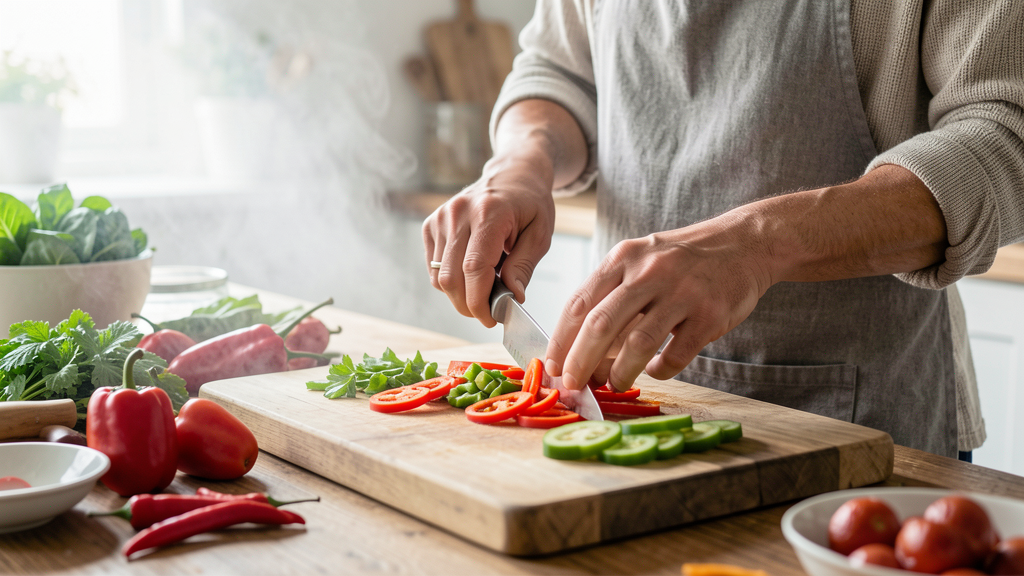
The real magic happens during the rendering process. When you toss cubes of pork belly or seasoned Andouille sausage into the hot pot, the solid fat begins to liquefy. This rendered fat does not sit still; it creates an emulsion with the cooking liquids and the starches released from vegetables or beans. As this emulsion circulates, it acts as a high-speed transport system for the dissolved capsaicin.
If you are using a lean cut of meat, the heat is concentrated in the specific bites where the pepper chunks reside. With a fatty cut, the heat is distributed uniformly throughout the spoonful. Every drop of broth carries a microscopic payload of oil-bound capsaicin. This phenomenon is particularly noticeable with long-simmered dishes, where the fat has had hours to break down, circulate, and coat every ingredient—including the potatoes and carrots that don't contain any spice themselves.
I have tested this in our kitchen lab repeatedly. A pot of pinto beans cooked with a tablespoon of vegetable oil and three arbol chiles registers significantly lower on the perceived heat scale than an identical pot where the beans are cooked with the same chiles but topped with a tablespoon of bacon grease. The active compound is the same, but the delivery mechanism is vastly more aggressive.
Surface Area and Lingering Effects
Another factor that often goes overlooked is the physical sensation of fat in the mouth. Fat coats the palate, the tongue, and the throat. Because capsaicin binds to the TRPV1 receptors—the pain receptors in your mouth—having a fatty layer ensures that the spice stays in contact with these receptors for a longer duration.
Water-based broths can be washed away quickly by saliva or a sip of beer. Fatty broths cling. This creates a "lingering" heat that builds up over the course of a meal. By the time you are halfway through your bowl, the cumulative effect of the capsaicin clinging to your mouth lining creates an amplification effect. It feels like the stew is getting hotter as you eat, even though the temperature in the bowl is dropping. This is the "creeping heat" that catches people off guard, turning a comfort meal into an endurance test.
Managing the Grease: A Practical Trade-off
Knowing this chemistry allows you to manipulate your results. If you want the flavor of smoked meat without the nuclear fallout, you have a few options. You can render the meat first, discard the excess fat before adding your liquids, and then add the meat back in. You keep the smoky savory notes but remove the lipid vehicle that supercharges the spice.
Alternatively, you can embrace the fat but adjust your pepper choices. If you are using a 3-cheese roux with ghost pepper powder, the dairy fat is already doing heavy lifting to spread the heat, so a little extra pork grease might push it over the edge. However, if you are working with fresher, milder peppers like a poblano or a cubanelle, adding a fatty sausage can actually be beneficial. It helps extract and distribute the nuanced flavors that might otherwise remain locked inside the pepper skin, though you should taste as you go.
There is a trade-off, of course. Fat carries flavor better than almost anything else, which is why low-fat stews often taste "thin." Sacrificing the fat saves you from the burn but sacrifices the depth. The goal is balance. You want enough fat to carry the flavor compounds without creating a superhighway for the capsaicin to bombard your receptors.
If you do go overboard and find yourself in the deep end with a too-spicy, too-rich stew, don't reach for water. You will only spread the oil around. Instead, you need a competitor for the capsaicin. Casein proteins found in dairy work effectively to wash the molecule away, though there is a longstanding debate on whether dairy or coconut milk neutralizes heat better in a finished dish.
The Heat Equation Redefined
Ultimately, viewing heat as merely a function of "how much pepper went into the pot" is a reductive way to cook. The medium is just as important as the message. By recognizing fat as a solvent and a distributor of capsaicin, you stop guessing why a dish burns and start engineering that burn to your preference. You aren't just cooking ingredients; you are managing a chemical reaction. The next time you reach for the bacon, do so with the knowledge that you aren't just adding salt and smoke—you are turning up the volume on the entire sensory experience.
Read next
Dairy vs. Coconut Milk: The Chemistry of Cooling Down a Fiery Chili
We break down the science of casein and coconut fats to determine the ultimate emergency fix for an overspiced pot of chili.
By Lucas Oliveira · 7 min read

Andouille vs. Chorizo: Which Spice Profile Fits a Corn Chowder Better
We dissect the chemical interaction between smoked sausage proteins and sweet corn starch to determine which spicy sausage truly earns its place in your pot.
By Lucas Oliveira · 7 min read
Building a 3-Cheese Roux with Ghost Pepper Powder
Eliminate clumpy spice in your mac and cheese by learning the precise method of blooming ghost pepper powder directly into the roux’s fat phase.
By Lucas Oliveira · 8 min read