
Building a 3-Cheese Roux with Ghost Pepper Powder
Eliminate clumpy spice in your mac and cheese by learning the precise method of blooming ghost pepper powder directly into the roux’s fat phase.

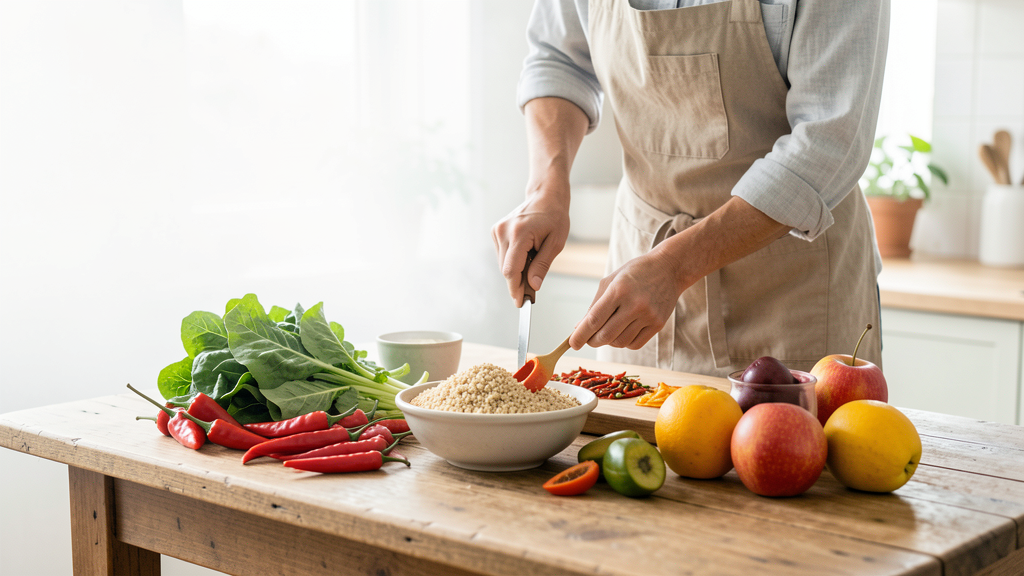
We have all been there. You stand over a pot of what should be the ultimate spicy comfort dish, only to find the sauce ruined. Instead of a velvety, orange river of heat, you are staring at a grainy mess with terrifying pockets of pure capsaicin. One bite is mild; the next sends you scrambling for milk. This is the classic error of tossing super-hot powder directly into hot milk or onto cooked pasta.
The issue is solubility. Capsaicin—the chemical compound responsible for the burn—is hydrophobic. It binds to fat, not water. When you add Ghost Pepper powder to a liquid dairy base without a carrier, the hydrophilic proteins in the milk seize up around the dry spice, creating those stubborn clumps. To get a homogeneous distribution of heat that coats every elbow of pasta without the grainy texture, you have to change the integration point.
For a dish this intense, the construction of the roux is everything. We are not just thickening a sauce; we are building a flavor vehicle. Here are the five critical stages that ensure your Ghost Pepper mac and cheese remains smooth, dangerously spicy, and structurally sound.
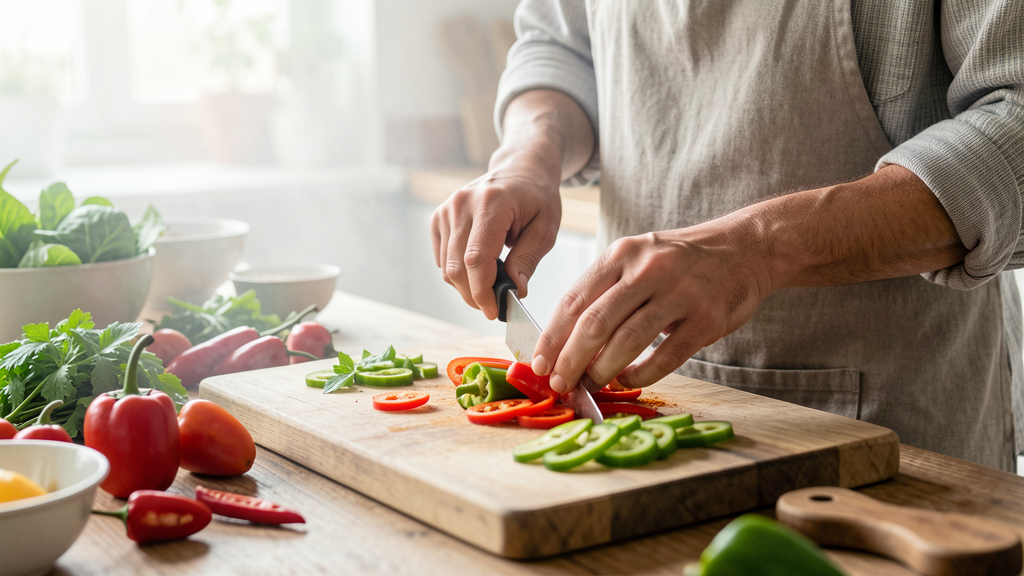
1. The Science of the Fat-Soluble Carrier
The cardinal rule of working with extract-grade heat or fine super-hot powders is simple: fat first. Most home cooks melt their butter, whisk in the flour to make a blonde roux, and then slowly stream in the milk. Once the sauce thickens, they attempt to stir in the spice. By this point, it is too late. The starch matrix is already set, and the liquid environment repels the chili powder.
You must introduce the Ghost Pepper powder at the moment the fat is fully liquid but before the starch is introduced. This technique, known as "blooming," serves two functions. First, it allows the capsaicin to dissolve into the lipid base, ensuring the heat is molecularly bonded to the sauce rather than suspended in it. Second, the heat of the fat helps toast the essential oils in the pepper, rounding out the raw, sometimes metallic taste of dried Bhut Jolokia.
For this recipe, use 4 tablespoons of unsalted butter. Allow it to foam and subside. You want the butter to be hot—around 265°F (130°C)—but not brown. If you see solids turning dark brown, pull it off the heat immediately. We have covered what happens when you push pepper temperatures too far in other discussions regarding why roasted peppers turn bitter in the oven; the same scorching principle applies to powder. Burnt ghost pepper tastes acrid and chemical, a flavor profile no amount of cheese can mask.
2. Origin and Substitutes for the Heat Source
Before you dump a tablespoon of red dust into your butter, understand what you are using. The Ghost Pepper, or Bhut Jolokia, originated in the Assam region of India and held the Guinness World Record for hottest chili in 2007. It is a Capsicum chinense variety, typically characterized by a wrinkled, pod-like shape. Unlike the straightforward citrus punch of a Habanero, the Ghost Pepper offers a complex, slow-building heat that starts sweet and smoky before detonating at the back of the throat.
If you cannot source authentic Bhut Jolokia powder, or if your local supply has lost its potency—dried spices degrade significantly after six months—you need a substitute that mimics that high-heat, high-oil profile. Do not use standard Cayenne; it lacks the fruity body to stand up to a 3-cheese blend. Instead, consider these two locally available alternatives for 2026 pantries:
- Red Habanero Powder: Widely available in most grocery stores. While it sits lower on the Scoville scale (100,000–350,000 SHU compared to Ghost’s 1,000,000+), it provides the necessary fruity esters and oil content to bloom correctly in the roux. You will need to use roughly double the volume to match the heat intensity.
- Carolina Reaper Powder: If you want to maintain the "super-hot" status but find the Ghost Pepper too smoky, the Reaper offers a more floral, cinnamon-forward heat. Use about 75% of the called-for volume, as Reapers are generally hotter and sweeter.
If you are experimenting with your own dehydration, understanding the texture difference between dried pods and fresh fruit is vital. As we noted when comparing dried anchos vs fresh poblanos, the structural integrity of the vegetable changes entirely once the water is removed. Powder removes that variable entirely, giving you pure spice.
3. Managing the Flour-to-Powder Ratio
Once your Ghost Pepper powder is whisked into the butter, the fat will turn a vibrant, alarming red-orange. This visual cue indicates that the capsaicin is now fully active in the fat. Now comes the thickener.
Add your all-purpose flour—typically 4 tablespoons for every 4 tablespoons of butter to maintain a 1:1 ratio. Here is where the chemistry gets tricky. The chili powder adds particulate matter to the roux that does not possess the thickening power of gluten. If you measure your flour by volume using the same cup you used for the butter, you might actually end up with a thinner sauce because the pepper is taking up space in the fat without contributing starch.
To counter this, weigh your flour. You want 60 grams of flour. Whisk it into the red butter vigorously. You will notice the roux becomes paste-like very quickly, almost like a red cookie dough. This is normal. You must cook this paste for 1 to 2 minutes to cook out the raw flour taste.
Be vigilant during this stage. The sugars present in the Ghost Pepper powder (fructose and glucose from the dried fruit) can cause the roux to brown faster than a standard white roux. You are aiming for a "blonde" roux, but with a reddish hue. If the roux smells like burnt toast or feels like it is seizing against the pan, remove it from the heat instantly. The sugars are caramelizing too fast.
4. The Cold-Shock Method for Emulsion
With your spicy roux ready, the next phase is liquid integration. If you pour warm milk into a hot, spicy roux, you risk lumps. The starch granules on the outside of the roux will gelatinize instantly, forming a waterproof barrier that prevents the milk from reaching the flour inside.
The professional standard is the "cold-shock." Take your whole milk out of the refrigerator. It should be cold, ideally 35°F (2°C). Pour about half a cup of this cold milk into the hot red roux while whisking aggressively. The temperature differential shocks the starch, allowing it to hydrate evenly before it can fully gelatinize and clump. The mixture will seize up into a thick, rubbery mass. This is good. It means the starch is working.
Once the milk is fully incorporated and the mass is smooth, slowly stream in the remaining milk while continuing to whisk. You will see the sauce transform from a red paste into a smooth, pinkish-orange béchamel. At this stage, reduce the heat to low. You do not want to boil the sauce violently, as high heat can cause the proteins in the milk to bond with the capsaicin oils and separate, leading to a broken, oily sauce. If you are looking for a way to deepen the flavor complexity of the spice itself before adding it, you might enjoy reading about how I used a mason jar to ferment leftover Thai chilies. Fermentation adds acidity, which cuts through the heavy creaminess of this dish.
5. The 3-Cheese Strategy for Texture Balance
You have a perfectly smooth, spicy béchamel. Now, you must melt the cheese without destroying the emulsion you just built. For a Ghost Pepper mac and cheese, you need a blend that offers structure, melt, and salt.
I recommend a specific 3-cheese ratio totaling 12 ounces (340g):
- 8 ounces Sharp Cheddar: This is the flavor backbone. The sharpness provides a chemical contrast to the vegetal taste of the chili. Use a block cheese and grate it yourself. Pre-shredded cheese is coated in cellulose (anti-caking powder) which will turn your velvety sauce into a gritty sludge.
- 3 ounces Gruyère: This adds nuttiness and superior melting qualities due to its high fat content. It creates the "cheese pull" texture.
- 1 ounce Parmesan or Pecorino: A hard, salty cheese to finish. The high umami content here acts as a flavor amplifier, making the perceived heat of the Ghost Pepper feel more complex rather than just painful.
Remove the saucepan from the heat entirely before adding the cheese. The residual heat from the béchamel is enough to melt the cheese. If you keep the pot on the flame, the proteins will coagulate, the oil will separate into a slick red layer on top, and you will lose the homogenous distribution of heat.
Stir in the cheese handful by handful. If the sauce seems too tight or thick, do not add more milk; add a tablespoon of pasta water. The starch in the pasta water helps stabilize the emulsion.
Final Assessment of the Sauce
A successful Ghost Pepper roux should taste like liquid fire that is somehow smooth and creamy on the tongue. The heat should hit immediately but fade into a savory cheese finish. If you taste grit, your flour cooked too fast or the cheese wasn't fresh. If the heat sits only on your lips and not in your throat, you didn't bloom the powder in the fat long enough.
The beauty of this method is that the spice is now permanently bonded to the roux. It will not settle to the bottom of the baking dish, nor will it concentrate in the last few bites of the bowl. Every mouthful delivers the exact same calculated dose of fear and comfort. If you find this heat level aggressive for a weeknight meal, consider blending in mild chilies that add body without burning your throat to bulk up the vegetable flavor while dialing back the Scoville units.
The real test comes the next day. Leftover mac and cheese often breaks or becomes oily in the fridge. Because we integrated the capsaicin into the fat and stabilized the starch with the cold-shock method, this sauce reheats remarkably well, maintaining that seamless integration of Ghost Pepper heat that makes this dish a modern classic of spicy comfort food.
Read next
Why Do My Roasted Peppers Turn Bitter in the Oven?
Stop ruining your soups with acrid, ash-tasting peppers by understanding the specific carbonization point of the skin versus the flesh.
By Lucas Oliveira · 7 min read

Can I Really Ferment Leftover Thai Chilies in a Simple Mason Jar?
Turn a surplus of spicy heat into a probiotic condiment using nothing more than a standard glass jar and salt.
By Mariana Souza · 5 min read