
Do You Really Need White Vinegar for Shelf-Stable Hot Sauce?
Swapping distilled white vinegar for lime or apple cider vinegar changes more than just flavor—it fundamentally alters the safety margin and shelf life of your hot sauce.

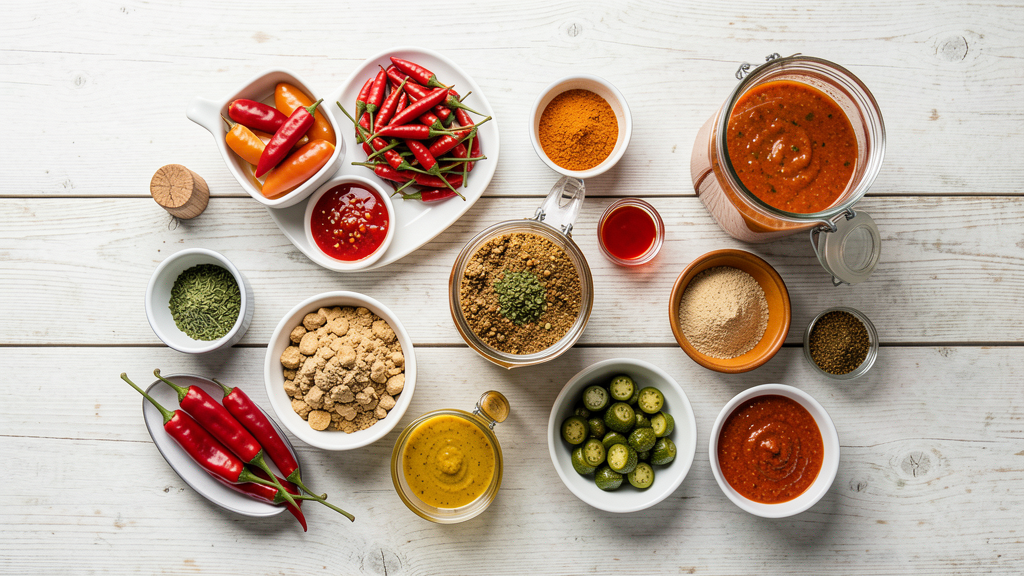
If you have spent any time in the homemade-hot-sauces scene, you know the distinct, nose-stinging sensation of opening a bottle of Tabasco or Frank's RedHot. That sharp vinegar hit acts as a preservative, sure, but for many of us, it feels like a crutch that masks the delicate floral notes of a Habanero or the earthy smokiness of a Chipotle. I hear this constantly: "I want to make a hot sauce that tastes like fresh peppers, not a salad dressing."
The resistance to distilled white vinegar is real. It feels industrial. It feels harsh. Consequently, home cooks reach for apple cider vinegar, white wine vinegar, or fresh lime juice, hoping for a gourmet result. While I am all for culinary exploration, treating these acids as identical substitutes is a dangerous game. We need to separate the flavor preferences from the hard chemistry of preservation.
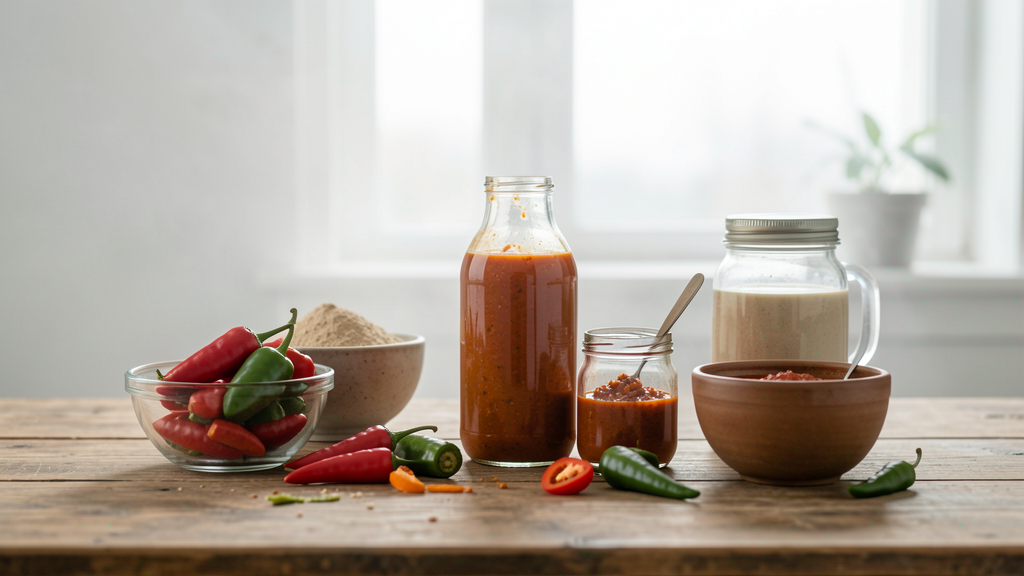
Myth: Distilled White Vinegar is the Only Acid That Guarantees Safety
The internet is full of armchair microbiologists who claim that if you do not use 5% acidity distilled white vinegar, your hot sauce will kill you. This is fear-mongering at its finest. The bacteria we are worried about here, primarily Clostridium botulinum, does not care about the brand name on the jug or whether the vinegar came from apples or grain. It cares about one thing: pH.
The magic number is 4.6. To create a shelf-stable product that can sit in your pantry without processing in a pressure canner, the pH must be consistently below 4.6. Ideally, we aim for 3.5 or lower to create a safety buffer. Distilled white vinegar is popular because it is consistent, clear, and flavor-neutral, but it is not the exclusive path to safety. You can achieve this pH with apple cider vinegar or lime juice.
However, the "guarantee" lies in the predictability. Distilled vinegar is a standardized industrial product. When I tested a batch of fermented mash last March, I knew exactly how much 5% distilled vinegar to add to drop the pH to 3.4 because the math is linear. If you swap to apple cider vinegar, you are dealing with a product that can vary in acidity and is packed with sugars and proteins that might slightly buffer the acid. It is safe, but it requires a digital pH meter rather than a recipe card.
Reality: The "Buffering" Effect of Flavorful Acids Makes Measuring Essential
Here is where the "swap and pray" method fails. If a recipe calls for one cup of white vinegar and you use one cup of lime juice, you might think you are safe. You are likely wrong. Lime juice is far more acidic than 5% vinegar on the pH scale, often landing around 2.0 to 2.4. So, you are actually making the sauce more acidic, which seems safer. The problem lies in the flavor intensity and the chemical instability.
Fresh citrus juices deteriorate. The citric acid in limes is powerful, but it lacks the staying power of acetic acid (vinegar). Over time, that fresh lime flavor can fade, or worse, off-flavors can develop as the organic compounds break down. Furthermore, if you are using a fruit vinegar like balsamic or a complex apple cider vinegar with "the mother," you are introducing solids and sugars that can cloud the preservation picture.
I once tried to make a Mango-Habanero sauce using apple cider vinegar as the sole acid. The flavor was spectacular—tangy, sweet, and fiery. But three months later, the sugars in the vinegar continued to break down, darkening the sauce and changing the texture. It was still safe to eat, but it wasn't the product I intended to put on the shelf. If you want shelf-stable longevity without the harshness of white vinegar, you have to accept that you are signing up for a shorter shelf life or a need for refrigeration.
Myth: You Can Substitute Acids Without Changing the Pepper Selection
This is a subtle point that most beginners miss, but it is critical for mouthfeel and balance. The type of acid you use dictates the fat content and texture you can get away with. White vinegar is caustic; it slices through fat and oil. If you are making a heavy, chili-oil-based sauce, white vinegar provides a necessary contrast, preventing the sauce from feeling like a slick of grease on the tongue.
If you switch to a mellow acid like apple cider vinegar, you lose that cutting power. Consequently, you need to adjust your pepper choice to compensate. For example, if I am formulating a sauce with white vinegar, I might lean into a fatty pepper like a Jalapeño or a Pasilla, or even add a splash of olive oil, because I know the vinegar will balance that richness. The sharp acidity keeps the fat in check.
But if I am using apple cider vinegar, I generally avoid high-fat pepper preparations or heavy oils. Instead, I reach for thinner-walled, drier peppers like Cayenne or Thai Bird's Eye. These peppers have very little natural oil. When paired with a sweeter, mellower vinegar, the result is a crisp, watery sauce that feels light rather than heavy. Using a rich, meaty pepper like a Poblano with just apple cider vinegar often results in a sauce that tastes muddy and flat because the acid isn't aggressive enough to lift the vegetable matter.
Reality: Citrus Creates a "Fresh" Sauce That Requires Different Handling
If you are dead set on avoiding that distilled vinegar taste, lime or lemon juice is your best alternative, but you must treat the sauce as a fresh product. Citrus-based hot sauces are technically "cooked" if you heat them, but the chemistry behaves differently. Citric acid does not penetrate the cell walls of the peppers quite the same way acetic acid does, which can lead to a quicker separation of solids and liquids.
I recall a specific batch of Habanero sauce I made in 2025 using only lime juice for acidification. It tasted fantastic, but within a week, the solids had settled into a dense pack at the bottom of the bottle, and the top layer was watery. I had to shake it violently every time I used it. This is a cosmetic issue, not a safety one, but it highlights the instability.
When using citrus, keep the sauce simple. Do not add thickeners like starches, and be wary of adding too much fiber from the pepper skins. You might need to strain the sauce finer than you would with a vinegar-based batch. And for the love of flavor, consume it within six months. Citrus oxidizes. That beautiful bright orange hue will turn brownish if left on a shelf for a year, which might make you question if it has spoiled, even if the pH is still safe.
The Trade-off: Flavor Neutrality vs. Culinary Complexity
So, do you really need white vinegar? If your goal is a product that can sit in a dark cupboard for two years, taste exactly the same on day 700 as it did on day one, and survive a wide range of temperature fluctuations, then yes. You need distilled white vinegar. It is the insurance policy of the hot sauce world. It creates a blank canvas that allows the pepper heat to shine without competing flavors.
If, however, you are making hot sauce to eat within a few months and you prioritize a nuanced flavor profile, white vinegar is a limitation. I urge you to experiment with apple cider vinegar for earthy sauces or lime for bright, tropical notes. Just keep a pH meter handy. Do not trust a recipe that says "add the juice of three limes" without verifying the acidity. The acidity of a lime varies based on the season, the region, and the ripeness.
The middle ground is blending. Many commercial sauce makers use a base of distilled white vinegar for the safety and stability but spike it with a splash of apple cider vinegar or citric acid powder at the end. This gives you the best of both worlds: the shelf life of the industrial product and the layered flavor of the homemade one. You get the preservation without the punishment of a purely harsh vinegar bite.
Making hot sauce is a balance of art and science. You can absolutely ditch the white vinegar, but you cannot ditch the science it represents. Understand your pH, respect the fat content of your peppers, and taste as you go. The bottle you save might be your own.
Read next
Making Your First Fermented Pepper Mash: The 3-Step Air-Lock Method
A streamlined guide to fermenting chili peppers at home using a strict 2.5% salt ratio and an air-lock system to guarantee mold-free results.
By Camila Rocha · 7 min read
The Story of My Separated Hot Sauce and How Xanthan Gum Saved It
A detailed troubleshooting narrative on how I fixed a broken emulsion in a homemade mango-habanero sauce using xanthan gum.
By Camila Rocha · 6 min read