
Replacing Tomato Paste with Gochujang in My Weeknight Meatloaf
A narrative experiment on swapping the standard tomato binder for fermented Korean chili paste to achieve a meatloaf with deep umami and a cohesive, spicy crumb."

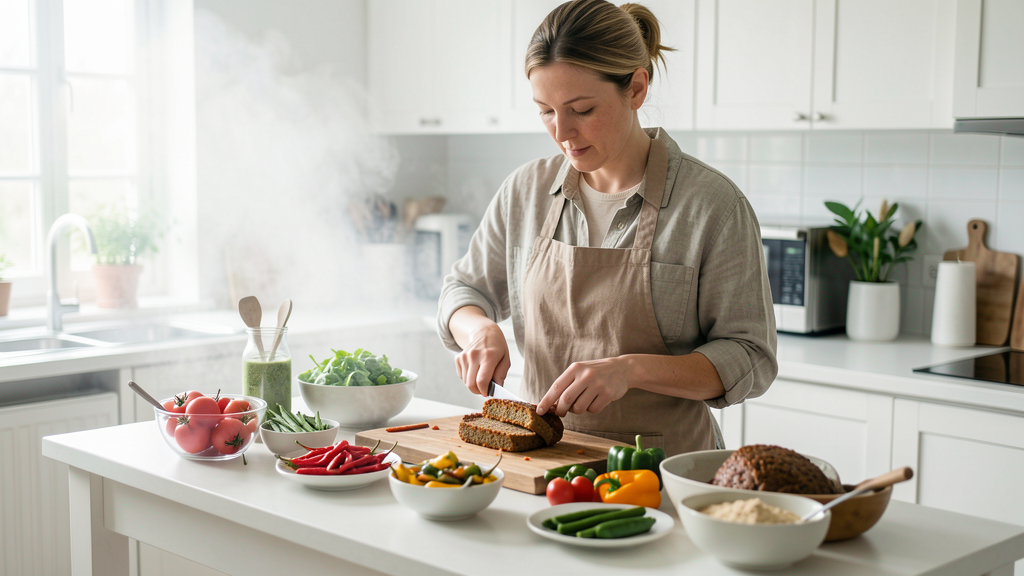
It was a bleak Tuesday in early March of 2026 when I decided to declare war on the beige. I was standing in my kitchen, staring at two pounds of 80/20 ground beef defrosting in the sink, and the thought of making my standard meatloaf felt like a culinary surrender. My partner, Marcus, loves the stuff, but to me, it has always represented the safest, most boring possible use of high-quality meat. It’s heavy, it’s salty, and usually, the only "spice" comes from black pepper and maybe a dash of Worcestershire sauce if I’m feeling reckless.
I wanted heat. I wanted that back-of-the-throat warmth that makes a comfort dish feel like a hug from someone who just finished chopping chilies. But I also knew that simply dumping cayenne pepper or hot sauce into a meatloaf mix is a rookie mistake. You end up with a one-note burn that fights against the fat, or worse, you break the emulsion and end up with a crumbly, dry loaf. I needed a binder that could do the heavy lifting of the tomato paste I usually rely on, but bring the funk and fire I was craving.
The jar of gochujang sitting in my fridge door caught my eye. I had used it for a batch of bibimbap the weekend prior, and the idea of substituting the fermented Korean chili paste for tomato paste started to form. This wasn't just about flavor; it was a structural experiment. I needed to know if the sticky rice flour and fermented soybeans in the gochujang could bind the meat effectively while cutting through the fat content better than the acidic tomatoes ever could.
The Tuesday Night Boredom That Triggered a Kitchen Experiment
My standard meatloaf recipe is functional. It uses breadcrumbs soaked in milk, an egg, ketchup, and the ubiquitous tablespoon of tomato paste to glue everything together. It works, but it lacks complexity. The problem with tomato paste in a fatty meat dish is that its acidity can sometimes tighten the proteins too much during the bake, squeezing out moisture and resulting in a dense brick if you aren't careful.
Gochujang, on the other hand, is a study in balance. It is spicy, yes, but it is also undeniably sweet and deeply savory. I grabbed the jar—Sunchang brand, medium heat—and popped the lid. The smell hit me immediately: fermented funk, a whiff of sweetness, and the earthy aroma of dried chili powder. I reasoned that if the glutinous rice powder in the paste could gelatinize, it might actually create a more tender crumb structure than the breadcrumbs alone.
Marcus walked into the kitchen, eyeing the red tub suspiciously. "We doing Korean tonight?" he asked. "No," I told him, cracking an egg into a bowl. "We are doing American comfort food, but we are fixing the chemistry."
I measured out three tablespoons of the thick crimson paste. Usually, I use two tablespoons of tomato paste for this amount of meat, but I wanted the gochujang to act as both a seasoning agent and a primary binder. The consistency is similar to tomato paste—thick, sticky, slow-moving—which gave me confidence that it wouldn't make the mixture loose or wet. I was trading lycopene for meju (fermented soybean powder), and hoping the umami would bridge the gap between the bland beef and the savory toppings.
Why Fermentation Handles Fat Better Than Acidic Tomatoes
Here is the technical reality of meatloaf: you are trying to suspend fat, protein, and starch in a matrix that survives 375 degrees of heat without turning into a puddle of grease. When I write about achieving specific pepper effects, I always look at the fat interaction.
Ground beef, especially at 80/20, releases a significant amount of rendered fat as it cooks. Tomato paste is acidic. Acid + protein + heat can sometimes result in a curdling effect or a tighter grain that squeezes the fat out, leaving the meat dry. Gochujang brings salt and fermentation to the equation. The salt helps dissolve the muscle proteins (myosin) more effectively, allowing them to trap water. The fermented soy component provides a glutamate punch that enhances the beefy flavor without needing to add excessive salt, which would draw out moisture.
Furthermore, the heat level of gochujang is different from fresh chilies or vinegar-based hot sauces. It is a rounded heat. Because the chilies are fermented, the capsaicin mellows out, integrating with the sugars in the paste. This is crucial for a loaf that bakes for nearly an hour. High-heat vinegar notes can evaporate or turn harsh in the oven, whereas the fermented sweetness of gochujang caramelizes. I wasn't just adding heat; I was adding a compound that would react with the Maillard reaction on the crust, creating a deeper, more complex exterior.
I have made mistakes with curry pastes in the past, adding too much liquid and ruining the texture. Gochujang felt like the safer bet because of that paste-like viscosity. It adheres to the fat droplets in the raw meat mixture, coating them evenly so that when the fat renders, it carries the chili flavor with it throughout the loaf, rather than pooling at the bottom of the pan.
The Texture Test: Mixing the Binder Without Overworking the Meat
Mixing meatloaf is a delicate art. Overmix it, and you activate the proteins too much, leading to a tough, rubbery texture. Undermix it, and you get pockets of dry spices or bread that fall apart when sliced. I dumped my two pounds of beef into a large mixing bowl along with the onions, garlic, oats (I prefer oats to breadcrumbs for a more tender crumb), and the egg.
Then came the gochujang. I dumped the three tablespoons right on top.
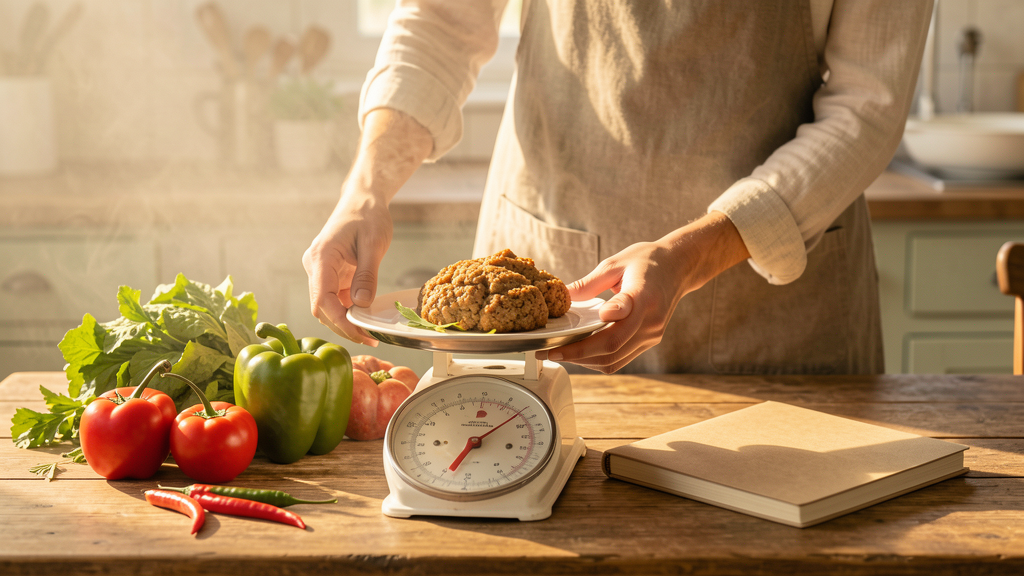
The visual change was immediate. Instead of the pale pink of standard raw meatloaf mixture, the blend turned a deep, appetizing reddish-brown. It looked richer. I mixed with my hands, just until the binders disappeared. The stickiness of the gochujang was evident; the mixture held together with a satisfying slap against the side of the bowl. It felt tighter than my usual mix, but not in a bad way. It felt cohesive.
I shaped the loaf into a 9x5 inch pan and smoothed the top. Usually, I would top this with a ketchup-based glaze. I hesitated. The gochujang already provided a glossy finish potential. I decided to compromise: I mixed a tablespoon of ketchup with a teaspoon of gochujang and a splash of rice vinegar to brush over the top. This would give me that traditional meatloaf "lacquer" but keep the flavor profile consistent.
Baking and the Smell of Fermented Sweetness
I slid the pan into the oven and set the timer for 50 minutes. Within twenty minutes, the kitchen didn't smell like onions and beef. It smelled like a Korean barbecue joint. The aroma of the fermenting chilies wafting through the apartment was intoxicating. It was spicy, but there was an underlying sweetness that made my mouth water in a way standard meatloaf never does.
When the timer went off, the internal temperature read 160°F—perfect. The crust was dark, much darker than a tomato-based loaf, bordering on a deep mahogany. The sugars in the gochujang had caramelized aggressively. I let it rest for ten minutes. This is non-negotiable. You have to let the starches in the oats and the gochujang set so they can reabsorb the rendered juices.
Slicing into it was the moment of truth. There was no crumbling. The loaf held its shape perfectly, revealing a moist, tender interior. The color was consistent throughout—no grey pockets of unseasoned meat.
Verdict: The Heat Level and the Necessary Glaze Adjustment
I served Marcus a thick slice with a side of roasted broccoli. He took a bite, eyes widening. "It tastes... expensive," he said. That was the best compliment he could have given it.
The heat was present but not aggressive. It sat at the back of the palate, a steady hum that encouraged another bite rather than reaching for milk. The umami from the fermented soybeans made the beef taste more "beefy." It solved the problem of the "bland middle" that often plagues meatloaf recipes.
However, there was one trade-off I noted for future iterations. Gochujang is significantly sweeter than tomato paste. By the time I added the glaze, the sweetness was pushing the limit of "savory." Next time, I will reduce the brown sugar in my glaze to zero and rely entirely on the paste for the sweet note. I might also swap out the beef for a blend of pork and beef to play up the sweetness, or stick to beef but use a spicier, "hot" variety of gochujang to balance the sugar scales.
I have discussed the differences between fermented pastes before, specifically looking at Harissa vs. Gochujang, and this experiment reinforced my stance: Gochujang is the superior binder for fatty meats. Harissa is oil-based and heavily spiced with caraway and coriander, which would have made the meatloaf taste like a sausage. Gochujang's simple profile of chili, rice, and soy integrates seamlessly.
This wasn't just a spicy dinner; it was a structural success. By understanding how the starch in the chili paste interacted with the meat proteins, I bypassed the need for heavy fillers. The loaf was lighter, moister, and infinitely more interesting. I haven't bought a can of tomato paste since.
Read next
Harissa vs. Gochujang: Which Fermented Paste Belongs in Your Marinade?
Choosing between North African heat and Korean funk for your summer grill depends entirely on the fat content of your meat and your desired crust texture.
By Camila Rocha · 6 min read
5 Curry Pastes That Work Better Than Powder for Instant Heat
Ditch the dusty jar for these 5 wet curry pastes that bond instantly with coconut milk fats for immediate, complex heat.
By Camila Rocha · 6 min read