
Should You Roast Peppers Before Freezing Them for Later Use?
Understanding the structural breakdown of pepper cell walls is key to deciding whether roasting before freezing compromises the texture of your future salsas.

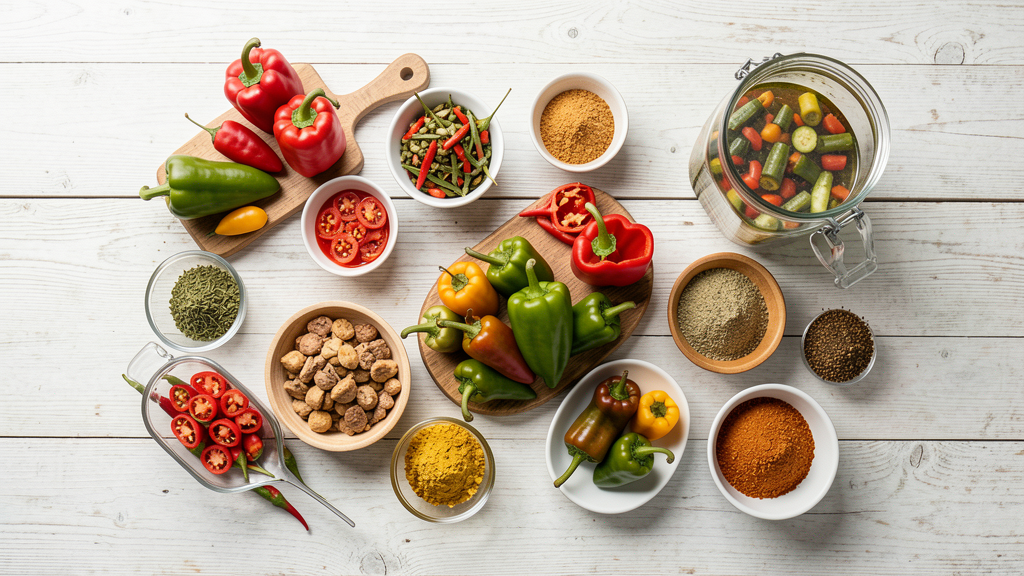
The 2026 harvest has been generous, perhaps overwhelming, leaving many of us staring at baskets of jalapeños, poblanos, and hatch chilies that need immediate attention. The freezer often feels like the most logical escape valve from the glut, but the method of entry matters significantly. A common debate in the Hothoppers test kitchen this season centers on a specific workflow: should you apply high heat to the peppers before committing them to the cold? It is not just about flavor infusion; it is a question of cellular integrity.
If your goal is to pull these peppers out in January and dice them into a fresh pico de gallo, the answer leans heavily towards a specific technique. Roasting fundamentally alters the physical architecture of the vegetable. To understand why, we have to look at what happens inside the cell walls when you expose a pepper to an open flame or broiler versus what happens when ice crystals form during the freezing process. The intersection of these two physical changes dictates the final texture of your thawed product.
The Cellular Trade-off: Heat versus Ice
To make an informed decision, we need to briefly step into the realm of plant biology. The crisp snap of a raw pepper comes from turgor pressure within its cells and the strength of the pectin in the middle lamella—the "glue" holding cells together. When you roast a pepper, you are intentionally applying enough thermal energy to break down that pectin and separate the skin from the flesh. The skin blisters and separates because the water underneath it vaporizes rapidly, and the structural proteins in the flesh collapse. This creates that silky, tender texture we love in a rajas con crema dish.
However, this process compromises the cell's ability to retain its shape. When you subsequently freeze this already compromised structure, the water inside the cells expands into sharp ice crystals. In a raw pepper, the cell walls are still somewhat elastic and can resist a degree of expansion, though they will still soften upon thawing. In a roasted pepper, the walls are already soft and gelatinous. The ice crystals slice through this weakened matrix with ease. The result is not a soft pepper, but a disintegrated one. The flesh weeps liquid rapidly upon thawing because the structural barriers that once held the water in place have been effectively destroyed twice—once by the heat, once by the ice.
Why Thawed Roasted Peppers Fail in Fresh Salsas
This double structural damage presents a major problem for applications requiring texture, specifically fresh salsas. A great salsa often relies on a contrast between the acidic bite of tomatoes and the crunch or distinct bite of the pepper. If you roast, freeze, and then thaw a jalapeño intending to dice it into a salsa, you will be disappointed. The pepper will not hold a dice. It will mash under the knife, releasing an excess of cellular fluid that dilutes the acidity of your lime juice and tomatoes.
This wateriness changes the flavor profile entirely. Instead of a bright, punctuated heat, you get a murky, watery vegetal flavor that sits at the bottom of the bowl. Furthermore, the skin, which you might have left on for convenience, becomes tough and leathery in a way that is unpleasant in a raw, cold preparation. Even if you peel the roasted peppers before freezing, the flesh itself lacks the structural integrity to stand up to the other ingredients. It becomes a background puree rather than a featured texture. For those looking to maintain the "pop" of a fresh pepper in their preserved goods, freezing whole chilies versus chopping first preserves that internal cell structure much better than the roast-and-freeze method ever could.
The only instance where this works is if you are aiming for a specific style of salsa taquera or a cooked sauce where the pepper is intended to break down completely. If your salsa recipe involves boiling the ingredients anyway, the pre-roasted frozen peppers are a time-saver. But for that fresh, chopped application, the texture degradation makes the roasted-and-frozen product a poor substitute for raw-frozen or fresh-preserved peppers.
When the Roast-Freeze Method Is the Superior Choice
I do not want to dismiss the roast-and-freeze method entirely; it actually shines when versatility is not the goal, but rather specific flavor development. If your winter menu consists heavily of moles, enchilada sauces, or soups where the pepper is destined to be blended into oblivion, roasting before freezing is brilliant. It locks in the charred, smoky notes that take twenty minutes to achieve on a busy weeknight.
In this scenario, the texture loss is irrelevant because you are pureeing the product. The freeze-thaw weeping can even be beneficial, as it breaks down the fibers further, making for a smoother sauce with less cooking time later. You can pack a quart bag with roasted Anaheims, thaw them directly into a pot with chicken broth and onions, and have a velvety bisque in fifteen minutes.
There is also a safety and storage efficiency consideration. Roasted peppers are much denser than whole raw peppers. You can remove the stems and seeds before freezing, meaning you are not wasting freezer space on inedible parts. Because the water activity is slightly reduced and the cell structure is opened up, they thaw faster. Just ensure your freezer is maintaining a temperature of 0°F (-18°C) or lower to prevent enzymatic reactions that can cause off-flavors over long periods. While pickling jalapeño slices offers a shelf-stable crunch, the roast-freeze method is the best route for that specific deep, charred flavor profile in cooked dishes.
The Verdict on Versatility
Ultimately, the decision comes down to a trade-off between convenience now and texture later. Roasting before freezing sacrifices the pepper's ability to function as a structural element in your dish. It creates an ingredient that behaves more like a concentrated flavor base or a puree than a vegetable.
If you possess a freezer full of raw peppers, you retain the option to roast them later. You can take a frozen poblano, char it while still icy or thawed, and achieve a result nearly indistinguishable from a fresh one. The reverse is impossible. You cannot take a thawed, roasted, mushy pepper and turn it into a crisp garnish for a taco.
Therefore, unless you have a specific plan for a batch of cooked sauces or soups, I recommend freezing your peppers raw. Slice them if you plan to cook them, leave them whole if you want to stuff them later, but save the roasting for the day you actually plan to eat them. This preserves the cellular integrity that defines a good pepper experience and ensures that your 2026 harvest remains as versatile in February as it was in September.
Read next
Freezing Whole Chilies vs. Chopping First: Cellular Damage and Long-Term Flavor
Avoiding flavor loss in your harvest depends entirely on how you handle cell structure before the peppers hit the freezer.
By Mariana Souza · 7 min read
The Calcium Chloride Method for Crisp Canned Jalapeños
Eliminate mushy texture from your home canning pantry by using a targeted calcium chloride soak that locks in the snap of jalapeño slices.
By Mariana Souza · 7 min read