
4 Store-Bought Salsas That Double as Instant Pasta Sauce Bases
Transform jarred salsa into a complex, spicy pasta sauce by simmering it with cream or stock for a 15-minute meal that bypasses the long simmer.


It is 7:45 PM on a Tuesday. You are staring at a box of rigatoni and a jar of salsa sitting on the counter. The standard move is boiling the pasta and using the salsa as a cold side dip, but that results in a disjointed meal where the heat never clings to the starch. In my test kitchen, we treat jarred salsa not as a condiment, but as a concentrated flavor base—a "mis en place" shortcut that already contains acid, aromatics, and salt. The trick is knowing which jar to grab and how to dilute it.
Most home cooks fail here because they pour the salsa directly over the noodles. You must simmer it. By applying heat and a fatty medium like heavy cream or chicken stock, you emulsify the tomato solids and bloom the capsaicin that has been dormant in the jar. This transforms a tangy dip into a velvety, spicy ragù. Below are the four distinct profiles of store-bought salsa that actually work for this technique, along with the specific chili origins and substitutes you need to know if you find the shelves empty.
The Verdant Cheat: Tomatillo-Habanero Bases
A roasted tomatillo salsa verde is the most versatile candidate for pasta conversion. The natural acidity of the tomatillos cuts through the starch of the pasta, while the heat provides a sharp counterpoint. When choosing a jar, look for "Salsa Verde de Oaxaca" or labels listing Capsicum chinense.
The primary heat driver here is often the Habanero. Originating from the Amazon basin and domesticated in the Yucatán Peninsula, the Habanero brings a floral, citrusy heat that lingers on the palate rather than hitting the front of the tongue. Unlike dried chilies, the Habanero in these salsas is usually cooked down, which tames its initial bite but retains its fruitiness.
The Application: Do not use this straight. Pour the jar into a cold skillet, turn the heat to medium, and add an equal volume of heavy cream. As the cream reduces, it will turn the vibrant green sauce into a pale, elegant pale-green coating. Finish with torn cilantro and a squeeze of lime.
If you can’t find Habanero-based salsa:
- Fresh Jalapeño: Sauté 2 sliced fresh jalapeños in oil before adding the tomatillo salsa. It lacks the floral notes but provides a grassy, vegetal crunch.
- Serrano: Substitute 1-2 minced Serranos for a sharper, cleaner heat that penetrates the cream faster than Jalapeño.
Can a Jar of Chipotle Salsa Replace Arrabbiata?
This is where we bridge Mexican and Italian cuisines effectively. A "Salsa Tatemada" or chipotle-based red salsa is essentially a smoked tomato sauce. The depth of flavor here mimics a long-simmered Sunday gravy, but the smoke adds a layer of complexity that takes weeks to develop from scratch.
The star is the Chipotle pepper, which is simply a smoke-dried Jalapeño. Historically, the Aztecs in central Mexico developed this smoking technique as a preservation method for the ripe Jalapeños that would otherwise rot. The drying process concentrates the heat and imparts a savory, almost meaty undertone that pairs exceptionally well with pork or beef-based pasta dishes.
The Application: Skip the cream here. Simmer the chipotle salsa with a cup of chicken or vegetable stock to loosen the texture. Toss in short pasta like penne or rigatoni. The starch from the pasta will thicken the smoky liquid into a glaze that coats every tube.
If you need a substitute for the Chipotle profile:
- Ancho Chili Powder: If you have a plain tomato salsa, stir in a teaspoon of Ancho powder (dried Poblano). It offers a raisin-like sweetness and mild heat that mimics the body of a chipotle without the intense smoke.
- Smoked Paprika: For those evenings when I need to convince my family to eat heat, I rely on smoked paprika to bridge the flavor gap. It provides the woodsy aroma without the Scoville spike, making the dish approachable for sensitive palates.
Navigating the Watery Middle: Restaurant-Style Reds
We have all seen the thinner, "jarred" red salsas that look like tomato water with floating specs of cilantro. These are often labeled "Taco Sauce" or "Mild Red." Cooks usually discard these for pasta because they are too acidic and lack body. However, they are the perfect vehicle for an oil-based sauce.
These salsas frequently rely on De Árbol chilies. Originating from Jalisco and Zacatecas, the Chile de Árbol is related to the cayenne but boasts a woody stem and a potent, tingly heat that settles at the back of the throat. It is often used in these thinner salsas because its thin skin disintegrates quickly, leaching color and spice into the vinegar brine.
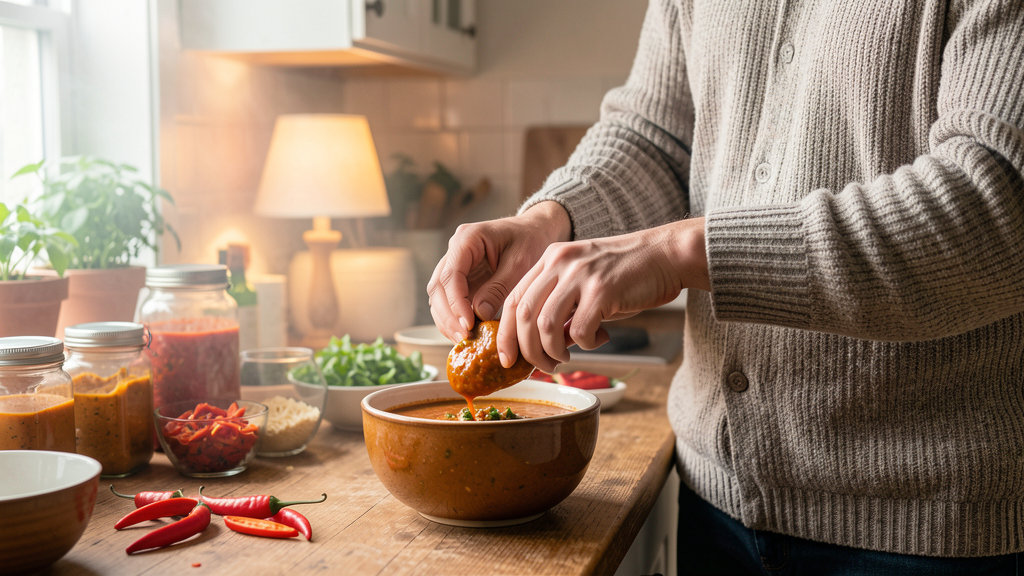
The Application: You must reduce the water content. Pour the salsa into a wide skillet and boil it until it reduces by half. Then, mount it with cold butter or a splash of olive oil. This creates an emulsion similar to a vodka sauce but with a distinct Tex-Mex bite. I prefer this with long strands like spaghetti or linguine.
Substitutes for De Árbol heat:
- Dried Cayenne: Use dried cayenne flakes if you are starting with a plain tomato base. Cayenne offers a cleaner, straight-up heat that distributes evenly in the oil.
- Pequin Peppers: These are tiny, potent peppers often found in the spice aisle. They have a nutty, citrusy profile that mimics the complexity of De Árbol and are excellent for finishing a dish.
When to Use Chunky Pico de Gallo or Corn Blends
This is the most dangerous category to attempt. A chunky Pico de Gallo or a "Black Bean and Corn" salsa has too much solid particulate and not enough liquid to form a cohesive sauce. If you toss this with hot pasta, you end up with dry noodles and cold vegetable chunks.
The heat profile here is inconsistent, usually relying on raw Jalapeños or Serranos. The raw pungency of the capsicum here clashes with the cooked starch of the pasta.
The Application: Do not use this as a sauce; use it as a base for a baked pasta. Mix the chunky salsa with a bechamel sauce or ricotta cheese to bind the vegetables. The heat from the oven will soften the onions and peppers, allowing their juices to meld with the dairy. I recommend this only for stuffed shells or a spicy lasagna where the salsa provides a structural textural contrast.
Substitutes for the raw vegetable crunch:
- Fresh Fresno Peppers: If your salsa is too mild and chunky, dice a Fresno pepper. It looks like a red jalapeño but is slightly fruitier and spicier, adding a necessary kick to the heavy cheese layers.
- Thai Bird’s Eye: If you want to bring a global kick to a tex-mex bake, chop these finely. They deliver a sharp, immediate heat that cuts through the richness of a ricotta filling.
The Simmering Protocol
Regardless of the jar you choose, the timing of the heat matters as much as the ingredient. I never add the salsa to the pasta water; I always create a pan sauce. Start your pasta water first. While the water boils, dump your chosen salsa into a skillet and add your liquid modifier—cream for verde, stock for chipotle, or oil for thin reds.
Once the pasta is al dente, transfer it directly into the simmering skillet using tongs. Do not drain the colander completely; reserve a half-cup of starchy water. The starch in the water is the glue that will bind the salsa's vinegar and tomato solids to the pasta. Toss vigorously for 60 seconds.
For those who enjoy DIY prep, you can elevate a mild jar by finishing with a homemade infusion. I keep a bottle of chili-infused olive oil on the counter specifically for this step. A drizzle at the end adds a glossy sheen and an immediate aromatic punch that jarred salsa often loses during pasteurization.
Why This Beats Jarred Marinara
Standard jarred marinara is often designed to be inoffensive—low acid, low salt, and heavily sweetened with sugar or carrots to mask the metallic taste of the can. Jarred salsa, by contrast, is designed to be tasted. It is built on a trinity of acid, salt, and heat that wakes up the palate. By using salsa as your base, you are skipping the step of having to season a bland sauce from scratch. The complexity is already there; you are just changing the vehicle.
Pasta is a neutral vessel, arguably the most efficient delivery system for spicy, acidic flavors that we have. Next time you are in the weeknight-heat aisle, ignore the Prego and grab the Chile de Árbol. Your dinner will be faster, cheaper, and significantly more alive.
Read next

The 12-Minute Chili Oil Trick That Saved My Tuesday Dinner
A gentle-heat method to extract complex chili flavors in minutes, transforming a bland weeknight roast into a restaurant-grade dish without the wait of cold infusion.
By Lucas Oliveira · 8 min read
Fresh Cayenne vs. Chili Powder: Solving the Heat Distribution Problem in Scrambled Eggs
Eliminate spicy landmines in your breakfast by understanding the physics of capsaicin dispersion and choosing the right form of heat for a consistent scramble.
By Lucas Oliveira · 7 min read