
7 Fruits That Cut Through the Acidity of a Habanero Sauce
Stop suffering from vinegar burn; these seven specific fruits act as chemical bridges to tame harsh acidity and highlight the floral notes of habanero peppers.

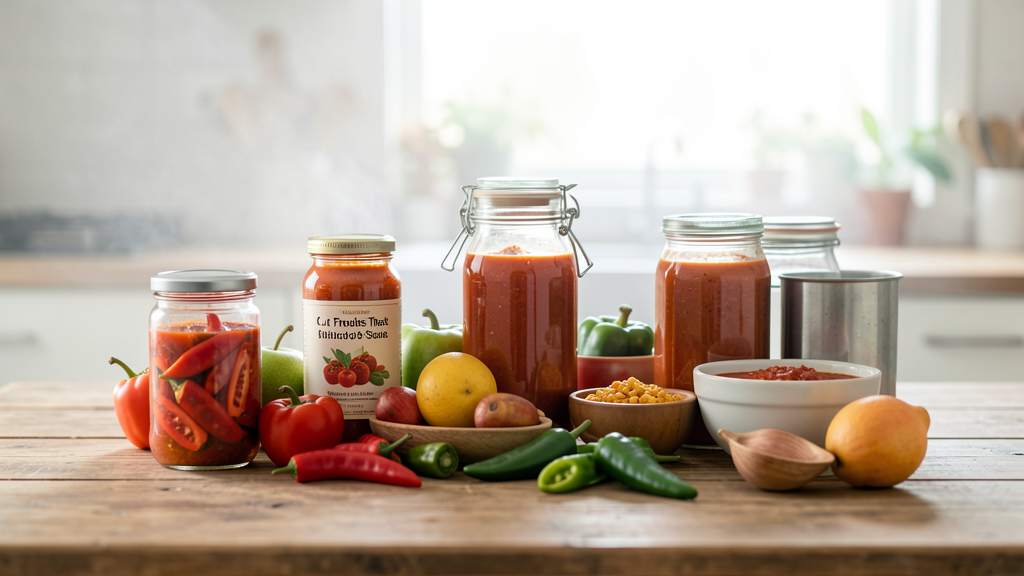
There is a distinct fault line in many amateur habanero sauces, a sensory clash where the aggressive, solvent-like bite of white vinegar wars against the delicate, citrus-floral volatility of the pepper. You want the heat, certainly, but you do not want the sensation of inhaling cleaning fumes. The problem is not the pepper; the habanero is naturally complex. The problem is the vehicle. Too much acetic acid strips away the nuanced top notes, leaving you with a one-dimensional sour bomb that dries out the palate.
To fix this, you cannot just add sugar. Sugar masks acidity; it does not resolve it. You need a chemical bridge—fruits that possess specific density, pectin levels, and enzymatic properties to integrate the vinegar into the pepper profile. I have spent the last three years in the Hothoppers test kitchen analyzing these interactions, and the results are definitive. Certain fruits alter the viscosity and pH perception enough to rescue a batch that tastes like "battery acid and regret."
Here are the seven specific fruits that actually work to cut through that sharp vinegar edge.
The Overripe Mango Strategy
Mango is the obvious choice, but most people use the wrong variety. If you are grabbing a standard Tommy Atkins or Kent mango from the supermarket in April, you are adding water and fiber to your sauce without solving the acidity issue. You need the Ataulfo (often labeled as Champagne or Honey mango).
Why Ataulfo? It has a significantly lower water content and a higher Brix (sugar) level than the red-skinned varieties, coupled with a creamy, almost custard-like flesh when overripe. In a vinegar-based habanero sauce, this density acts as a buffer. The high concentration of fructose binds with the acetic acid molecules, softening the immediate "pucker" effect on the tongue. More importantly, the beta-carotene in the deep yellow flesh reinforces the orange color of the habanero without needing artificial dyes.
The Concrete Fix: Use a ratio of 40% overripe Ataulfo mango to 40% vinegar, with the remainder being peppers. The mango solids essentially absorb the harsh vinegar, releasing it slowly alongside the capsaicin.
How Pineapple Enzymes Break Down Vinegar Harshness
Pineapple is tricky because it is acidic itself. If you add it to a vinegar sauce, you risk creating something that tastes like stomach acid. However, pineapple contains bromelain, a proteolytic enzyme that actively breaks down proteins.
In the context of a habanero sauce, the bromelain attacks the fibrous cell walls of the pepper skins during the cooking process. This releases the capsaicin oils—which are lipid-soluble, not water-soluble—more efficiently. When these oils are liberated into the mix, they coat the tongue. This oil layer physically prevents the vinegar from hitting your taste buds as aggressively. It is a textural defense mechanism.
The Concrete Fix: Use fresh, not canned, pineapple core. The core has the highest concentration of bromelain. Rough chop the cores and simmer them with the vinegar before adding the peppers. Boil for 15 minutes to activate the enzyme. The resulting sauce will have a silky mouthfeel that feels far less sharp than a standard vinegar reduction.
Stone Fruit Viscosity: Peaches and Nectarines
We often overlook the textural contribution of stone fruits. A standard yellow peach has a tendency to disintegrate into a fuzzy mush when cooked, which can make a sauce feel gritty. You want Donut Peaches (Saturn peaches) or white nectarines.
These varieties have a different cell structure—they retain their firmness longer and possess a lower acidity profile than yellow peaches. When you puree a Donut Peach into a habanero base, the pectin levels interact with the vinegar to create a "sheen." This viscosity slows down the movement of the liquid across the palate.
I have found that a sauce made with white peaches and habaneros often requires less vinegar overall for shelf stability because the fruit's natural pH is low enough to assist in preservation. The trade-off is a shorter shelf life once opened—about 3 weeks in the fridge compared to 6 months for a pure vinegar sauce—but the flavor improvement is immeasurable.
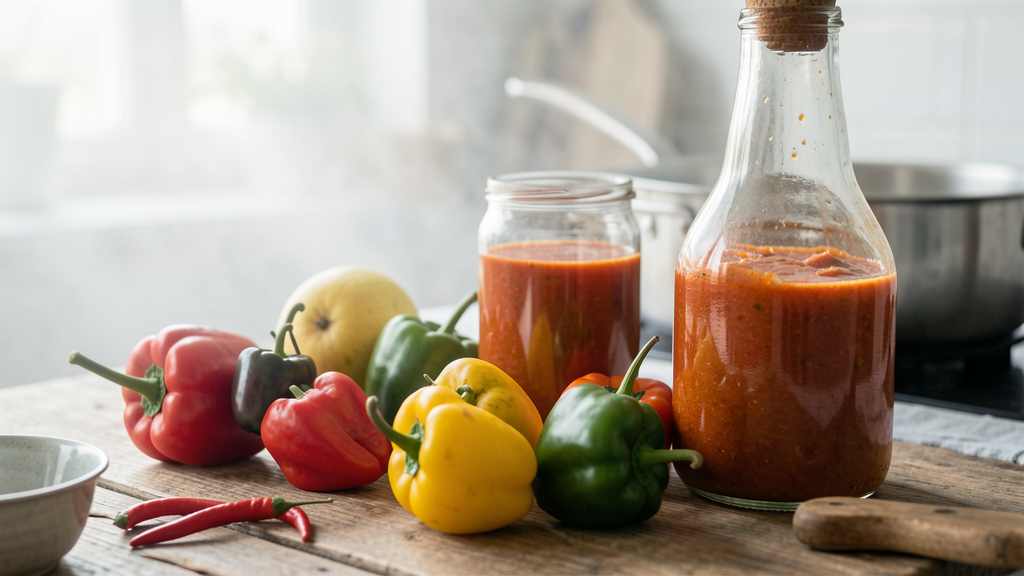
Can Tamarind Replace Acidity Entirely?
This is the "cheat code" of the list. Tamarind is technically a legume, but culinarily we treat it as a fruit. It is naturally sour, containing tartaric acid rather than acetic acid. The human palate perceives tartaric acid as smoother, rounder, and less "sharp" than the acetic acid found in vinegar.
If you are making a sauce where the vinegar burn is the primary issue, you can replace half of your white vinegar measure with a tamarind paste concentrate. Tamarind is also incredibly high in pectin. If you have ever battled separation in your hot sauce, you know how frustrating it is to have a layer of chili oil floating on top. The pectin in tamarind acts as a natural stabilizer, keeping the habanero oils suspended in the liquid.
The Concrete Fix: For every cup of white vinegar your recipe calls for, swap out 1/4 cup for tamarind pulp (soaked and strained). You will keep the pH safe for canning but lose the chemical smell of the vinegar.
The Papaya Emulsification Trick
Papaya is controversial because it has a musky, earthy scent that some find unpleasant. However, if you pair it with the right variety of habanero—specifically the Red Savina or a 2026 hybrid like the "Lemon Drop"—the earthiness grounds the floral notes.
The science here is papain, an enzyme similar to bromelain but milder. Papaya is high in water, so it will thin out a sauce if you are not careful. To use it effectively against acidity, you must roast the papaya first. Roasting caramelizes the natural sugars (evaporating the water content) and transforms the texture into a thick paste. This paste is excellent at trapping the vinegar vapors. Instead of the vinegar smelling sharp, it smells baked and savory.
Dried Apricots for Concentrated Body
Fresh apricots are lovely, but they are mostly water and mild flavor. When fighting high acidity, you need ammunition. Dried apricots, specifically the Turkish variety, are packed with concentrated sugars and malic acid.
Malic acid is the acid found in apples; it provides a "tang" rather than a "bite." By rehydrating dried apricots in the vinegar before you start cooking, you allow the fruit to physically soak up the acid. The vinegar plumps the apricots, and in return, the apricots infuse the vinegar with malic acid and sugars.
This method changes the chemical composition of your liquid base before you even add heat. It turns a harsh 5% acidity vinegar solution into a sweet-and-sour syrup that carries the habanero heat effortlessly. This is arguably the most effective method for sauces intended for fatty meats, like pork shoulder, where the fruit sugars aid in caramelization.
Why Blueberries Stabilize Habanero Heat
This seems counterintuitive—berries with a citrus pepper? But dark berries like blueberries, blackberries, or huckleberries contain anthocyanins. These are powerful antioxidants that have a unique reaction with capsaicin.
Anthocyanins bind to the capsaicinoids and slightly dampen the receptor's ability to register pure heat, creating a sensation of "delayed" heat rather than an instant spike. More importantly for our acidity problem, blueberries are chemically basic relative to vinegar. They possess a pH that can neutralize the extremes of the acid without neutralizing the pH required for safety (they still need the vinegar there).
If you have a sauce that tastes "thin" and "sour," reduce 1 cup of blueberries down to a syrup and whisk it in. The deep purple color might darken your sauce to a brick red (which looks incredible), but the mouthfeel will become velvet-like. The tartness of the berry meshes with the vinegar, while the sweetness coats the throat, preventing that post-swallow burn that feels like heartburn.
The Verdict on Flavor Bridges
The goal is not to hide the vinegar but to integrate it. Vinegar is a preservative; it is necessary for safety unless you are using a fermented pepper mash method. If you rely solely on vinegar, you get a sharp, product. If you introduce one of these seven fruits, you are inviting a collaborator into the pot.
The Ataulfo mango offers density; the pineapple offers enzymatic breakdown; tamarind offers a softer acid profile. Choose the fruit based on the texture issue you are facing. If the sauce feels too thin, go with the dried apricot. If it smells too chemically sharp, go with the roasted papaya or tamarind.
Stop treating fruit as an afterthought or a "side note" in your hot sauce recipes. In 2026, with the quality of peppers available to home cooks, the fruit is the primary vehicle for balance. Your habanero sauce should taste like a coherent dish, not a science experiment in sterilization.
Read next
Do You Really Need White Vinegar for Shelf-Stable Hot Sauce?
Swapping distilled white vinegar for lime or apple cider vinegar changes more than just flavor—it fundamentally alters the safety margin and shelf life of your hot sauce.
By Camila Rocha · 7 min read
The Story of My Separated Hot Sauce and How Xanthan Gum Saved It
A detailed troubleshooting narrative on how I fixed a broken emulsion in a homemade mango-habanero sauce using xanthan gum.
By Camila Rocha · 6 min read